



Caring for Ceramic Dinnerware Plates: Dos and Don'ts
 Share
A beautiful ceramic dinner plate can quietly become part of everyday life. It holds the morning toast, the family lunch, the festive meal, and those late dinners when everyone finally sits down together. With the right care, ceramic dinnerware can remain beautiful and functional for years.
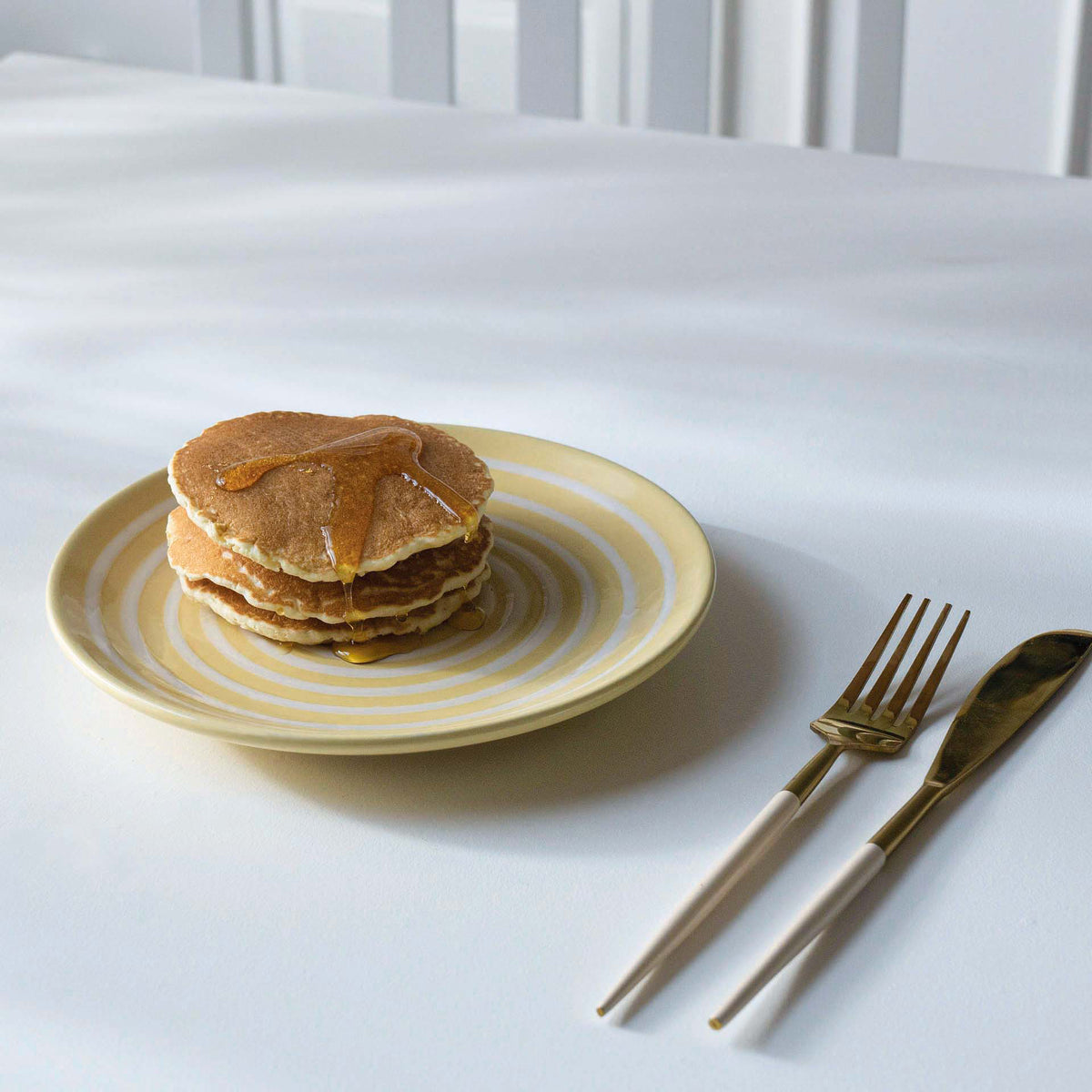
For thoughtfully designed pieces that bring craftsmanship and everyday functionality together, explore Ellementry's handcrafted homeware collection.
While ceramic is wonderfully versatile, it still benefits from a little attention. The wrong cleaning method, sudden temperature changes, or careless storage can gradually affect its finish and appearance.
So, how do you keep your ceramic dinner plates looking their best? Here are some simple dos and don'ts worth following.
Why Does Ceramic Dinnerware Need Care?
Ceramic dinnerware is valued for its durability, versatility and timeless appearance. But not all ceramic pieces are made or finished in exactly the same way. Glazes, painted details, textures and finishes can have different care requirements.
That is why the first rule is simple: always follow the care instructions provided with your dinnerware.
Beyond that, a few everyday habits can help protect your plates from scratches, stains, chips and unnecessary wear.
Do: Wash Your Plates Gently
After a meal, wash ceramic plates with a soft sponge or cloth and a mild dishwashing liquid. Gentle cleaning is usually enough to remove everyday food residue without putting unnecessary pressure on the surface.
If food has dried onto the plate, avoid attacking it with a rough scrubber. Instead, let the plate soak in warm water for a little while. Once the residue softens, it should be much easier to remove.
This small change can make a big difference, particularly for plates with decorative finishes or painted details.
Don't: Use Abrasive Scrubbers
A tough scrub pad may seem like the quickest way to remove stubborn marks, but repeated abrasive cleaning can affect the surface of certain ceramic finishes.
Avoid harsh scouring powders and aggressive scrubbers unless the manufacturer's instructions specifically recommend them.
Your dinnerware does not need to be scrubbed as though it survived a kitchen disaster. A little patience usually works better.
Do: Check Whether Your Dinnerware Is Dishwasher Safe
The convenience of a dishwasher is hard to beat, especially after hosting friends or family. However, dishwasher suitability depends on the particular ceramic piece and its finish.
Before placing ceramic plates in the dishwasher, check the product's care instructions.
If dishwasher use is permitted, position plates securely so that they do not knock against one another during the cycle. Avoid overcrowding, which can increase the chance of pieces bumping together.
For delicate, hand-painted or especially decorative dinnerware, handwashing may be the safer choice when recommended by the maker.
Don't: Assume Every Ceramic Plate Is Microwave Safe
Ceramic dinnerware can sometimes be used in the microwave, but this should never be assumed simply because a plate is ceramic.
Some finishes, paints or decorative elements may not be designed for microwave use. Always check the specific product instructions before heating food directly on the plate.
The same rule applies to ovens and other high-temperature appliances. Ceramic does not automatically mean oven-safe.
Do: Be Careful With Sudden Temperature Changes
One of the easiest habits to overlook is temperature shock.
Avoid moving a very cold ceramic plate directly into an extremely hot environment, or placing a very hot plate onto a very cold surface. Sudden temperature changes can put stress on ceramic.
If you are using dinnerware for hot food, allowing the plate to come to room temperature before exposing it to significant heat is a sensible precaution.
Don't: Stack Plates Carelessly
Stacking is practical, particularly when you have limited kitchen storage. But repeatedly dropping one ceramic plate directly onto another can lead to chips, scratches or damaged edges over time.
When storing your dinnerware, place plates carefully into their stack. If your pieces have delicate surfaces or decorative finishes, consider using thin protective separators between them.
And avoid creating very tall, unstable stacks. A dramatic plate avalanche is not the kind of tableware story anyone wants.
Do: Handle Plates by Their Edges
When moving several ceramic plates, support them securely rather than gripping them loosely with one hand.
Pay particular attention to the edges, which are often the most vulnerable part of a plate. When setting or clearing the table, place plates down gently rather than sliding or dropping them onto hard surfaces.
These are tiny habits, but they help minimise accidental chips.
Don't: Ignore Stains for Too Long
Certain foods, sauces, spices and strongly coloured ingredients can leave marks on lighter ceramic surfaces if residue is allowed to sit for an extended period.
Whenever possible, rinse plates relatively soon after use. For ordinary stains, warm water and mild dish soap are usually a good starting point.
If a particular mark persists, check the manufacturer's recommended cleaning method rather than immediately reaching for a strong chemical cleaner.
Do: Store Your Dinnerware With Care
Good storage is just as important as good washing.
Keep ceramic dinner plates somewhere dry and stable, preferably in a cabinet or shelf where they are protected from accidental knocks. Make sure the storage area is not so cramped that plates have to be forced into place.
If you own different collections, storing them in manageable stacks can also make everyday use easier. The best dinnerware is the dinnerware you actually reach for.
Don't: Treat Decorative Dinnerware Like Ordinary Utility Ware
A beautifully detailed ceramic plate may deserve slightly more attention than a plain everyday piece.
Hand-painted patterns, textured finishes, metallic accents and other decorative details can have specific care requirements. Avoid assuming that one cleaning or heating method works for every plate in your collection.
For example, a piece intended primarily for serving or display may have different instructions from a ceramic plate designed specifically for everyday dining.
A Simple Ceramic Dinnerware Care Routine
You don't need an elaborate maintenance routine to keep your plates looking beautiful. A few simple habits are enough:
- Check the care instructions before first use.
- Wash with mild soap and a soft sponge where appropriate.
- Avoid abrasive cleaning unless specifically recommended.
- Confirm dishwasher and microwave suitability.
- Protect plates from sudden temperature changes.
- Stack and store them carefully.
- Handle edges gently.
- Clean food residue rather than allowing it to sit unnecessarily.
For beautifully designed pieces, thoughtful care is simply part of enjoying them.
FAQs
Can ceramic dinner plates go in the dishwasher?
Some can, but dishwasher suitability varies by product and finish. Always check the manufacturer's care instructions before putting your plates in the dishwasher.
Can ceramic plates go in the microwave?
Not necessarily. Check whether the specific plate is microwave-safe, especially if it has painted, metallic or decorative detailing.
How do you clean ceramic dinner plates without scratching them?
Use a mild dishwashing liquid and a soft sponge or cloth. For dried food, soak the plate in warm water instead of using an abrasive scrubber.
How should ceramic dinner plates be stored?
Store them on a stable, dry shelf or inside a cabinet. Stack them carefully and consider protective separators for delicate or decorative pieces.
Why do ceramic plates chip?
Chips can occur when plates are knocked against hard surfaces, stacked carelessly, dropped, or exposed to excessive stress. Gentle handling and thoughtful storage can reduce the risk.
Final Thoughts
Ceramic dinnerware is made to be used, enjoyed and shared. Caring for it does not mean keeping it locked away for special occasions. It simply means treating each piece thoughtfully so its finish, colour and character can be enjoyed for longer.
Wash gently, handle carefully, follow the product-specific instructions, and avoid assuming that every ceramic plate can tolerate the same treatment.
After all, the best dinnerware is not the set that stays perfect in a cupboard. It is the set that becomes part of countless meals and still looks beautiful when the next one arrives.

