



Celebrate Freedom with Sustainable Living and Handcrafted Décor
 Share
Share
The true essence of our freedom was to live in harmony and purpose with each other. Whether it was the promotion of khadi goods or the fight to replace foreign goods with our own, better and self-reliant.
The spirit has not changed; instead, it has evolved from mass production and a throwaway culture into building something that helps us become one with nature. To honour the artisan's craft, heal the soil beneath our feet and leave the world a better place for generations to come.
With this feeling, we are celebrating Independence Day with the idea of sustainable living. Let us understand how using handcrafted home décor can get us one step closer to a mindful and conscious lifestyle. If you are looking for sustainable home décor ideas for Indian homes, this guide will help you through choices rooted in craftsmanship and purpose.

What does sustainable living really mean?
A word that is often thrown around but rarely comprehensively understood, “sustainable living” means a lifestyle that favours earth instead of depleting its resources. It includes systematic, mindful living and choices that prioritising ecological balance over short-term convenience.
Many believe sustainability is simply living green. Contrary to popular belief, it includes four core principles. First, it involves circular consumption. To follow this, one needs to shift from a linear model of taking, using and disposing to a circular model of reducing, reusing, repairing and recycling. Second, it involves decarbonisation, which means minimizing reliance on fossil fuels across electricity, heating, transport and dietary habits.
The third principle is of conscious living, maintaining balance in biocapacity. This means ensuring what we extract can naturally regenerate and what we emit can be absorbed. And last and most important- sustainability focuses on sufficiency over efficiency. It is about understanding that a slightly more efficient product will not be enough if total consumption continues to grow.
On a pragmatic front, sustainable living carries the philosophy of high-impact actions. It is about focusing on high-leverage areas that can create greater impact instead of making only minor lifestyle adjustments.
When one needs to make such dramatic changes, adjusting lifestyle of a pes is not enough. It requires transformation on multiple levels, comprising personal changes, through daily choices of what you eat and wear, communal decisions and systemic changes that include corporate accountability and the flow of clean energy.
Benefits of choosing handcrafted home décor
One of the sustainable choices is to have handcrafted home décor as part of your living space. These are pieces that go beyond aesthetic appeal and emphasise quality craftsmanship, cultural connection and an expression of individuality. Above are just a few benefits for having handmade eco-friendly home décor products around.
Moreover, you may find these goods exude uniqueness and authenticity by differing from mass-produced materials in subtle textures, natural variations, unique details and, most importantly, carrying a soulful feeling.
Handcrafted commodities are mostly made of eco-friendly and sustainable materials such as solid wood, natural fibres, beeswax and clay. This way, they make effective use of natural, renewable and upcycled materials. These durable creations maintain their quality through generations, turning them into heirlooms.
They are also a wonderful example of eco-friendly home décor, proving that beautiful design can exist in harmony with responsible material choices. Choosing eco-friendly handcrafted home décor is one of the simplest ways to embrace an eco-friendly lifestyle without compromising on style or functionality.
Most importantly, purchasing these pieces support artisan communities that sustain small-scale craftspeople and family workshops while preserving traditional skills and heritage techniques.
Conclusively, handcrafted home décor not only reflects your personal preferences by playing a role in your home but also weaves a story from its origin to where it has reached.
Sustainable materials used by artisans

Most craftspeople use sustainable materials to manifest their creativity. They heavily rely on renewable growth, agricultural waste upcycling and zero chemical processing. Therefore, their choice of raw materials includes the following materials:
- Rapidly renewable plant fibres such as bamboo, which is widely used to make light fixtures, structural furniture, baskets and wall panelling. Jute and hemp are majorly used in making rugs, wall hangings, table runners along with storage baskets. Organic cotton and linen are also used in soft furnishings, drapes and throw blankets.
- Agricultural and Natural By-products including banana fibre, which is used to make textured mats, lampshades and decorative baskets. Coconut shell and husk are generally hand-carved into bowls, candle holders and small storage vessels. Coconut fibre or coir is also used to make doormats and floor runners.
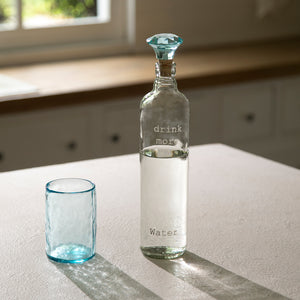
- They also make use of primary Earth- and mineral-based materials such as terracotta and earthen clay for making cookware, vases and planters. Glass is primarily used to make glassware, vases and many decorative pieces for the home.
- Reclaimed Wood and Upcycled Textiles are also commonly shaped by artisans. Timber and driftwood are used in making accent tables, picture frames and wall sculptures, while textile scraps and upcycled fabrics are used in making rugs and cushion covers.
Easy eco-friendly home décor upgrades
Simple, high impact upgrades to make your living area sustainable and environmentally friendly do not require a huge investment. If you have ever wondered how to decorate your home sustainably, these thoughtful changes are a great place to begin.
For example, switching to organic textiles such as cotton and linen, which are more breathable, durable and biodegradable. Apart from cotton, hemp is also a preferred choice because it yields soft, durable fabrics for rugs and cushions. Wool is not only natural but is also used in making blankets and heavy drapes while bringing warmth and cosiness to the space.
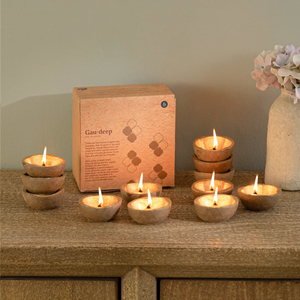
Opting for softer lighting by replacing paraffin candles with soy or beeswax alternatives can make a significant difference. If you are planning to go green, terracotta pots and ceramic pots are among the most favourable choices as they allow the soil to breathe, help prevent root rot and offer a plastic-free alternative. These small upgrades are practical yet impactful examples of eco-friendly home décor.
Decorating every room sustainably
You can completely change the way you live and make your lifestyle more sustainable by implementing minor changes. Starting with your home, the following sustainable décor ideas for modern homes will not only transform your space but will also bring you closer to nature by introducing circular design principles into it.
Living Room

The upholstery and seating can have natural latex cushions, organic cotton, linen and wool. Choose natural fibre rugs made of jute, sisal, wool or seagrass. Pre-loved accent furniture, coffee tables, side tables and chairs made of upcycled wood can also go a long way. A reclaimed wood table will not only bring a distinct character of its own but will also prevent further forest harvesting.
Bedroom
Similar to upholstery, your bedding can also use cotton, linen or hemp. Non-toxic mattresses can be made of natural latex, organic wool and cotton.
Window Treatments
Instead of using vinyl blinds, opt for dense linen or organic wool blackout curtains.
Kitchen and Dining
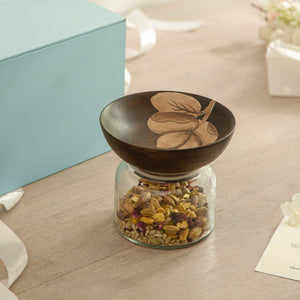
In your cooking and dining space, use storage displays in clear glass and ceramic containers. Replace paper towels with linen napkins and cloth table runners. Thoughtfully chosen sustainable home accessories such as handcrafted ceramic jars, wooden serving pieces and glass storage containers help make everyday living both beautiful and functional.
Bathroom
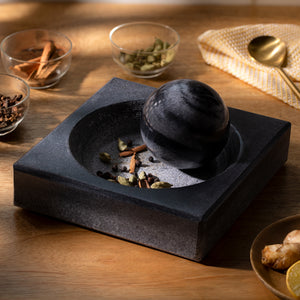
In the shower, use stone, terracotta, bamboo or ceramic bath trays, soap dishes and toothbrush holders. Swap disposable paper products for unbleached or organically dyed cotton towels that feel soft while supporting a more mindful home.
Why does Ellementry support conscious living?

Conscious living thrives at the core of Ellementry's philosophy. We believe that, one artistic creation at a time, we can shift the global lifestyle towards nature and sustainability. Every piece is designed to encourage slower, more mindful living that celebrates both people and the planet through sustainable home décor.
We have been crafting products that feel personal and unique, carrying the raw imprint of the human hand that crafted them. Our collection of kitchenware makes preparing meals seamless and almost magical, while our serveware range brings people closer and makes every moment meaningful and lived in. With our thoughtfully designed sustainable home accessories, every creation is made to become a lasting part your life.
Our use of natural materials including wood, terracotta, ceramic, glass and sustainable ecomix brings together form and function, ensuring beauty is never separated from purpose. Whether you are looking for sustainable home accessories online or timeless eco-friendly home décor, we encourage people to buy less but invest in better-quality pieces that age gracefully instead of being replaced.
If you are beginning your journey towards an eco-friendly lifestyle, shop sustainable décor, explore eco-friendly home décor, buy handcrafted home accessories, discover sustainable living collection, and shop ellementry to bring home pieces crafted with purpose.
FAQs
What is sustainable home décor?
Sustainable home décor consists of thoughtfully made products crafted from eco-friendly materials using responsible production practices that minimise environmental impact.
Why should I choose handcrafted home décor?
Handcrafted home décor offers lasting quality, unique craftsmanship, supports artisan communities and promotes mindful consumption over mass production.
Which materials are eco-friendly for home décor?
Wood, terracotta, ceramic, glass, bamboo, jute, hemp, organic cotton, linen and sustainable ecomix are among the most eco-friendly materials for home décor.
How can I make my home more sustainable?
Choose durable handcrafted products, switch to natural materials, reduce single-use items, reuse what you own and invest in timeless, high-quality pieces.
Where can I buy sustainable home décor?
You can explore thoughtfully crafted sustainable home décor and sustainable home accessories online at ellementry, where every piece is designed with craftsmanship and conscious living in mind.

