


-
20% offbest seller
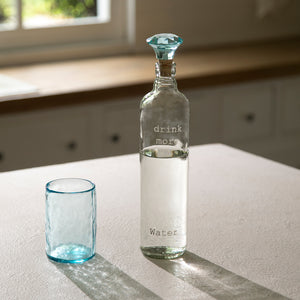
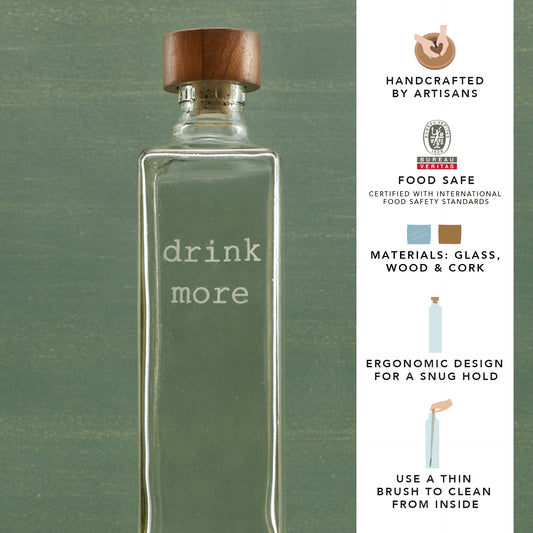
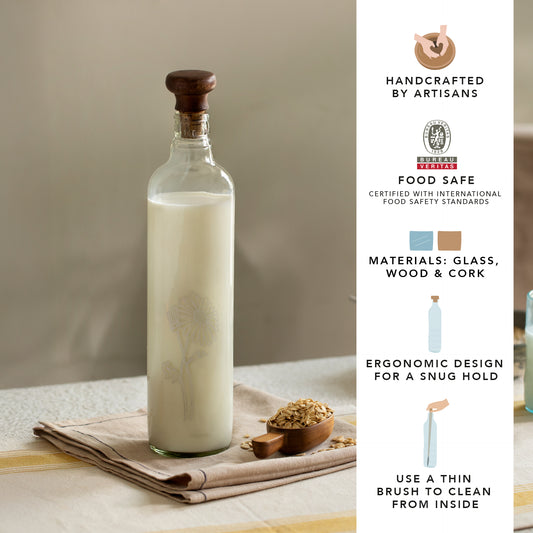
Drink More Glass Water Bottle With Wooden Stopper
Regular price Rs. 680.00Regular priceRs. 850.00Sale price Rs. 680.00Save Rs. 170.00
Sale -
best seller
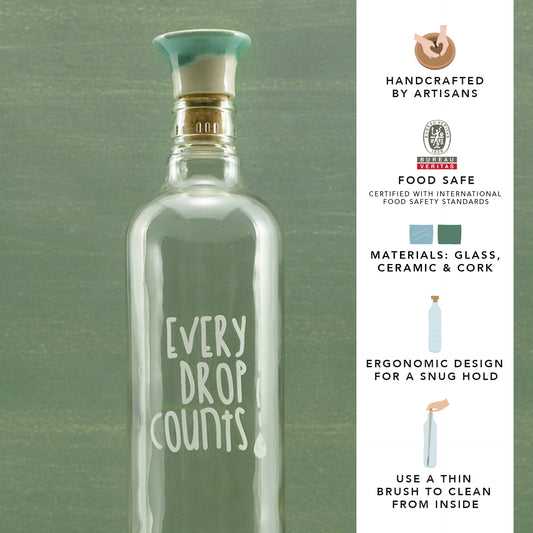
Drop Glass Water Bottle With Ceramic Stopper
Regular price Rs. 990.00Regular price -
best seller
Daisy Glass Water Bottle With Wooden Stopper
Regular price Rs. 890.00Regular price -
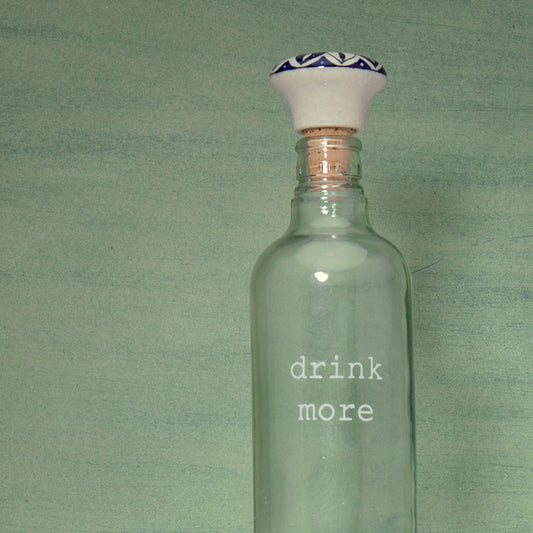
Drink More Glass Water Bottle With Ceramic Stopper
Regular price Rs. 850.00Regular price -





Showing 1 -40 of 40 total
buy drinkware collections online
Drinking beverages is an inevitable part of our lives. From the first sip of water as soon as you wake up to that one glass of ritualistic wine before you go to sleep, drinkware somehow makes a space in our palms and between our fingers. However, only a few understand the significance of enjoying different drinks in different vessels and how the chemistry of a liquid is influenced by the material that holds it.
Discover a premium drinkware collection where material science, functional design, and artisanal heritage meet in one place. Whether you want to enjoy the petrichor of the first rain while sipping chai from a terracotta tumbler or savour a cold brew from a ceramic mug while watching the sunset, we are here to transform your everyday experiences into sensory moments through thoughtful craftsmanship.
why handcrafted drinkware elevates everyday drinking
Unlike factory-made drinking vessels that follow the code of uniformity throughout production, handcrafted drinkware is created with careful intention. Each piece is different from the next and carries unique attributes of its own.
There are tactile variations in every piece made by expert craftsmen. As you hold a clay mug, you can feel traces of the maker’s touch. Every ridge and curve is distinct. This uniqueness extends to glassware as well. Air-blown glass or glass moulded into the right shape carries the breath of its maker and the creativity behind its creation.
Apart from that, a clay tumbler bears the marks of the pottery wheel on which it was made. A glass tumbler may have subtle irregularities that serve as proof of its handmade origins. All of these combined displays a fascinating play of light. The shadows cast and the light refracted by two handmade glasses will never be the same. Therefore, each handcrafted piece has its own distinct character and personality.
This uniqueness also reveals itself when the vessel touches your lips. Human-crafted pieces often have thinner rims that feel noticeably different from the thicker ones produced by machines. There is also a psychology to the ritual. Once you understand that time, effort, and skill have been poured into creating an object by hand, you naturally develop a deeper connection with it. These are not merely vessels for drinking; they are pieces of art.
choosing the right drinkware for every beverage
Have you ever wondered why coffee tastes best in your favourite mug with a thick rim, while your everyday chai feels more enjoyable in a thin-rimmed glass tumbler? There is science behind this preference. Let’s understand how different materials and forms influence the way we experience beverages and their flavours.
1. ceramic and pottery
Your favourite mug, in which you enjoy your morning coffee, could be made of ceramic or clay. The thick walls separate your hands from the hot liquid, offering comfort through thermal insulation. This allows you to enjoy soothing sips every time you hold it. These vessels are ideal for filter coffee, lattes, matcha, and robust herbal teas.
2. hand-blown glass
Your regular tea or chai entices you with its colour even before your tongue explores its flavours. Certain beverages offer both visual appeal and a spectrum of taste. Therefore, glassware with thin rims and transparent surfaces is perfect for showcasing them. Examples include iced coffees, layered matcha lattes, fruit-infused waters, and kombucha.
3. fine clay or porcelain
High-fired porcelain becomes non-porous and almost glass-like in density, which means it does not interact with the liquid it holds. As a result, it preserves the drink’s natural flavour profile. Fine clay, on the other hand, contains tiny pores that gently interact with the beverage, softening harsh notes and creating a smoother taste experience. These materials are particularly suited to espresso, ceremonial green teas, and oolong teas.
drinkware materials explained: glass, ceramic &
terracotta
Each material interacts differently with the beverage it holds and therefore creates a unique drinking experience. You may not experience the same cappuccino in a ceramic mug as you would in a terracotta tumbler. Let’s explore the chemistry behind these materials.
glass: the pure visual catalyst
Glass does not interact with the liquid and preserves its natural properties. It also has low to medium thermal mass, making it relatively easy to handle. It is ideal for presenting beverages while highlighting their colour, clarity, and effervescence. Bubbly drinks, colourful cocktails, and layered beverages are best showcased in glassware.
ceramic: the thermal balance counterpart
Ceramic interacts gently with temperature. It absorbs heat slowly, creating a warm and comforting experience for the person holding it. While glazed ceramics are non-porous, unglazed ceramics remain porous. They offer durability and versatility, making them suitable for both commercial and artisanal drinkware. Their rich, earthy textures also add visual warmth and character.
terracotta: the living, breathable clay
Also known as clayware, terracotta is often used in traditional earthen cups or kulhads. Raw clay is fired at high temperatures to create durable vessels. The air pockets and porous walls of terracotta give it natural evaporative cooling properties, helping cool liquids over time. It can also soften strong flavour notes, creating a smoother and sweeter drinking experience.
styling your dining table with elegant drinkware
You may own the finest drinkware but presenting it beautifully on the table is an art in itself. To display your collection elegantly, keep these tips in mind:
1. Follow the rule of vertical layering. Create either a clean diagonal arrangement or a clustered display to achieve visual balance.
2. Mix different textures and patterns. Varied surfaces catch and reflect light differently, creating beautiful shadow play and visual depth.
3. Experiment with colour palettes. Stick to a harmonious colour gradient in one area or create distinct visual zones across the table.
4. For weekend brunches, use clear tall flutes, handcrafted jugs, and carafes to showcase beverages attractively.
5. For formal dinners, choose elegant, thin-rimmed stemmed wine glasses to create a sophisticated setting.
6. For traditional feasts, use unglazed terracotta or heavy stoneware serving vessels to enhance authenticity.
care & maintenance tips for premium drinkware
When you own a piece of craftsmanship, it deserves thoughtful care. Premium drinkware is no different. Here are some practical tips to help preserve its beauty and functionality.
To avoid thermal shock, allow glassware to return to room temperature before exposing it to cold water. Always use a soft sponge and a mild detergent to hand-wash your drinkware. If glassware becomes cloudy, soak it in a solution of equal parts water and vinegar.
Rinse ceramic drinkware soon after use to prevent stains from setting. Store all drinkware in a dry place with enough space between pieces to prevent tipping or chipping. Finally, air-dry them thoroughly or wipe them with thick paper towels to prevent watermarks and maintain their finish.
FAQ's on Drinkware
What materials are Drinkware made of?
What is the shipping cost of Drinkware?
What is the minimum and maximum price range of Drinkware products?
How many products are available in Drinkware?
What are the best selling products in Drinkware?
Popular Category
coffee mugs storage jarsmortar and pestletable lampchopping boardsculpturesplatesserving trayschakla belanroti boxbowlstumbler bottlecake stand
Gifts for Festivals
Rakhi GiftsDiwali GiftsChristmas GiftsNew year GiftsCorporate GiftsFriendship Day Gifts
Gifts for Special Occasions
Birthday GiftsAnniversary GiftsWedding giftsHousewarming GiftsFarewell Gifts

