


















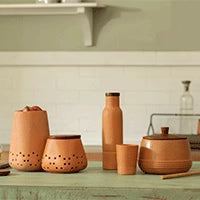
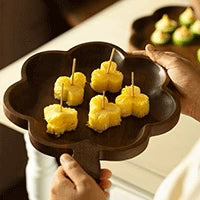













How Terracotta Helps Maintain Food Temperature Naturally
Amidst shining stainless steel and modern insulators, there is a silent hero that has been an undeniable king of the kitchen for ages. Terracotta, clay utensils or earthenware aren't known only for their rustic aesthetics but also for keeping food healthy, safe and nutritious. Natural clay, such as terracotta, has a unique composition, an alchemy that present-day cookware and kitchenware struggle to offer.
By leveraging its natural porosity, terracotta utensils keep your hearty meal steaming and summer salads crisp without any artificial touch. How does it do that? Read on and find out.
The Science Behind Terracotta’s Natural Temperature Control
Metals conduct heat rapidly, and clay is a poor conductor of heat. Terracotta’s secret lies in its thermal mass and porosity.
When heat is provided to a terracotta vessel, the microscopic air pockets get trapped within the clay walls. These tiny pockets act as a natural insulator. That is why any clay or terracotta container requires more heat to cook food. But once the heat crosses the threshold, it slowly and steadily returns that energy to the food. Thus, cooking the food in steam.
It simmers the food in its own juices. Therefore, making the food cook evenly and lighter on the stomach.
How Terracotta Keeps Food Warm Without Overheating

In a metal pot, the food can quickly go from perfect to burnt to soggy in minutes. Terracotta solves that problem seamlessly through its moisture-regulating properties.
It warms the food without overheating in three ways. As hot food sits in a clay vessel, the porous walls absorb moisture. It offers heat retention. The clay walls provide even heating, therefore avoiding any hot spots. While the terracotta vessel retains heat, the clay allows enough steam to escape so the food remains moist without becoming waterlogged.
It offers a gold standard for serving dishes like biryani, mutton, or other roasted vegetables.
Natural Cooling Effect of Clay for Summer Food Serving
Terracotta vessels are not just for cooking hot, nutritious food. It also works as a natural cooling utensil during the summer.
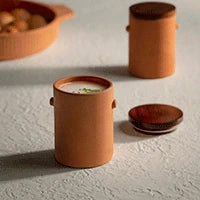
All you need to do is soak the terracotta vessel in water, and the clay will absorb it. The water slowly evaporates from the pot's outer surface, drawing heat from the interior. Just like how our body produces sweat.
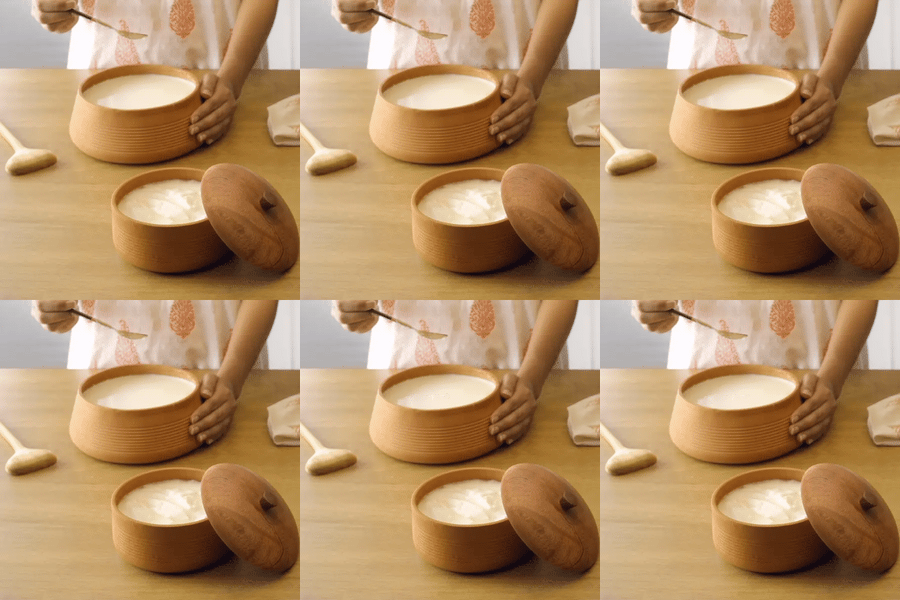
This way, you can have a nature-inspired fridge installed in your home. Make dahi, cold dips, or keep fruits fresh during extreme summer heat.
Terracotta vs Steel vs Ceramic – Temperature Retention Comparison

When it comes to keeping your meal at the ideal serving temperature, the battle between terracotta, steel, and ceramic is a culinary "Goldilocks" quest for the porridge that stays "just right”.
Steel is an excellent conductor of heat. It raises the temperature quickly but loses it just as fast. If your steel vessel does not have double walls, the food would achieve room temperature within minutes. Hence, steel's heat retention is very low.
Ceramic and Stoneware lie somewhere in the middle of the spectrum for heat retention. Both ceramic ware and stoneware have tiny pores. The glazed ones retain heat longer than the non-glazed ones, as they seal the pores and provide a protective layer.
You may wonder, how does terracotta keep food warm? Terracotta has high thermal mass and low thermal conductivity, which makes it an undisputed champion of long-term temperature retention. Porous earthenware walls absorb heat slowly and release it gradually. Hence, not only cooking the food slowly but holding that heat to keep your delicious meal piping hot.

Why Earthenware Was Used Historically for Food Storage & Serving
For centuries, traditional clay pots, such as clay serving bowls and storage vessels, have been a favourite for keeping food and serving. Centuries before refrigeration took over our lives, our ancestors were aware of natural cooling properties of terracotta. Not only that, but they were also aware of other benefits of clay. They used it to store harvested grains and other foodstuffs. They solely relied on earthenware. Let’s go back in time and understand what role clay pots played in their lives.
Our ancestors used huge clay grain silos to protect grains from fungi and insects. Matkas are another familiar vessel to store cold water in arid climates. It is best for storing food that may turn acidic. The cool nature of the clay helps keep foods like pickles, yoghurt, or kimchi alkaline.
Earthenware not only offers protection but also maintains the natural integrity of the food. Keeping the food items healthy and tasty for long.
Best Foods to Serve in Terracotta Serveware
Terracotta lovingly embraces the food it serves. The best foods to serve in terracotta serveware are those that thrive on stable temperatures. Slow-cooked stews and curries would thrive when cooked for hours over a low or medium flame in terracotta, bringing out their best flavours. A thick consistency is created in Yoghurt or curd when it is made in a clay pot, as the clay pot absorbs the excess whey.
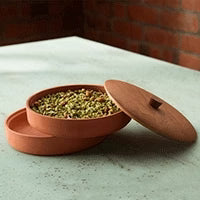
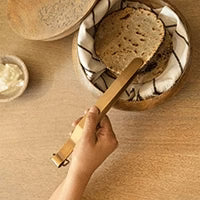
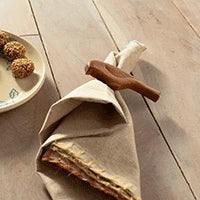
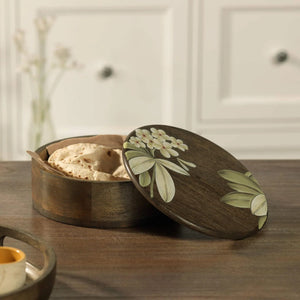
Baked pasta also remains crispy on top while maintaining a gooey centre in an earthen pot. Similarly, when wrapped in a cloth and placed in a terracotta warmer, bread stays warm and soft without becoming too mushy or losing its structure. Once soaked in water, clay pots provide natural refrigeration for green veggies, helping them avoid wilting.
FAQs
Does terracotta keep food warm longer?
Yes, terracotta does retain the warmth of the food for a longer period. This is because terracotta has high thermal mass and low thermal conductivity. This means that terracotta absorbs heat slowly and also releases it slowly. As a result, the food will remain warm without becoming hot.
Why does clay keep water cool naturally?
The clay has a natural cooling effect on water due to its porous nature. The water is able to absorb and evaporate from the surface, thus cooling the water inside through the process of evaporative cooling. This cools the water inside, just like how the body is cooled by sweat.
Is terracotta good for serving hot food?
Terracotta is a great material for serving hot dishes. It heats evenly, doesn’t have hot spots, and allows a bit of steam to escape, which keeps the food warm, moist, and well-balanced in texture. This is a great material for slow-cooked dishes and foods that need constant warming.
How does clay regulate food temperature?
The clay helps regulate the temperature of food by a combination of its thermal mass properties and porosity. The clay absorbs the heat slowly, holding the heat and then releasing it slowly.
Is terracotta suitable for all weather food serving?
Terracotta is ideal for all-weather food serving. It retains heat during the cooler months and provides natural cooling during summer when it is soaked in water. Terracotta has the ability to retain as well as reduce heat.

 easy returns
 safe & secure
 hand crafted