




Onam Sadya at Home: How to Set an Authentic Banana Leaf Table
 Share
Share
Onam morning is no ordinary day. The enchanting smell of fresh flowers enters the home. The walls ring with the thump of South Indian tunes. The gold of the brass tumbler reflects on the freshly wiped banana leaves.
Most importantly, the steaming hot food awaits the arrival of the guests. This is a festival of hospitality. Hence, the priority remains serving good food while welcoming guests and following the age-old traditions at the same time.
If you are planning to host your loved ones this Onam, we have prepared a comprehensive guide to help you do it in the right way, from the perfect Onam table setting to every detail of the Onam Sadya.
Traditional Onam Sadya table arrangement

Onam Sadya table arrangement cannot be equated to any other meal-sharing gathering or ceremony. It is rooted in South Indian traditions and cultural heritage. This manner of sharing food evolved around the Travancore and Cochin kingdoms. Everyone attending the gathering is seated in a line or a pankthi, which is a representation of social equality. Eating on banana leaves also denotes a zero-waste ethos.
When there are so many nuances to consider, every step has to be done carefully. Allow us to help you set up the perfect Onam table setting and understand how to arrange an Onam Sadya table for your guests.
Start with a clean dining table and cover it with a plain white cloth. You can also use a linen or cotton table runner to leave space for the banana leaves. Be sure to leave enough room so that the food can shine.
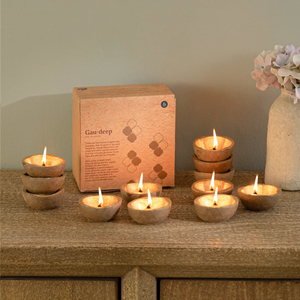
Next, place the banana leaves correctly. The end of the stalk or the leaf will be on the left side, and the glossy side will face upward. This banana leaf table setup is an important part of banana leaf table setup at home and traditional Onam dining. Arrange the dishes into the top, centre and bottom sections of the respective leaves. Incorporate a few festive table décor pieces on the table. A marble urli filled with fresh flower petals and floating lit diyas can add a fine touch to the overall ambience.
Remember that a Sadya is served and enjoyed course by course. So, serve rice with parippu and ghee first, followed by sambar, then rasam, moru or pulissery, ending with one or more varieties of payasam.
A few finishing touches on the table may include folded cloth napkins, brass tumblers for water or buttermilk, and soft lighting with a lamp. These simple Onam table decoration ideas complete an elegant festive table setting.
Placement of dishes on a banana leaf
Just like the table arrangement, the placement of dishes on the banana leaf also holds special significance at an Onam Sadya. Beginning with the leaf, as mentioned before, the narrow end must always point towards the left, dividing the leaf into the upper half and the bottom half.
When it comes to the dish placement on the leaf, you can take a reference from the following map.
Starting from the upper left portion of the leaf to the right, place salt → banana chips or Upperi → jaggery chips (Sharkara Varatti) → Pazham or small yellow banana → Inji Puli and pickles → tangy ginger or tamarind chutney → mango or lemon pickle → Kichadi and Pachadi (yoghurt-based beet, cucumber or pineapple dishes) → Thoran (stir-fried vegetables with grated coconut) → Erissery and Olan (mild pumpkin or ash gourd cooked with coconut milk and red beans) → Avial (mixed vegetable coconut curry).
Rice, gravies and crunchies may find their place in the lower half of the leaf. Pappadam will be placed at the bottom left along with sambar and rasam. Kerala matta rice will be served in a mound at the bottom centre.
Modern serveware with traditional aesthetics
Similar to many traditions, Onam Sadya has also evolved through time. No wonder the old practices have blended with modern convenience and time-saving remedies. How can modern serveware for Onam play a part in this? Let’s find out.
- Let the banana leaves steal the spotlight.
- Keep the traditional touch by combining ceramic, wood and brass. You can use brass ladles, tumblers, small condiment bowls, etc.
- Pick wooden serving platters to complement the aesthetics.
- Keep the colour palette neutral and earthy.
- Though most of the space will be taken by the elaborate banana leaves, you can add a few décor pieces in moderation.
- Try experimenting with multiple textures. For example, combine brass bowls with terracotta tumblers.
- Serving condiments in individual bowls will help save space as well as keep the table clean for everyone.
- Embrace minimalism and complete the ambience by lighting a few scented candles.
These are among the traditional Onam dining ideas that seamlessly blend heritage with the best serveware for Onam Sadya.
Hosting Onam at home
After knowing all about Onam Sadya arrangements, if you are also planning to host one at your home during this year's festival, we are here to assist you with the same. After all, it is about creating a warm, festive atmosphere built around togetherness, music, décor and, most importantly, food.
Step 1: Set the festive ambience.
The entrance décor:
Pookalam or floral artwork at the door sets the right tone for the guests. You can make a flower rangoli with the help of marigolds (yellow and orange), rose petals, jasmine, green leaves, diyas, lamps, candles, and an urli at the centre.
The cultural dress code for women will be a Kasavu saree or a cream cotton saree with a gold border. For men, it will be a Kasavu Mundu or dhoti with a crisp white or pastel shirt. Music can help set the mood right. Pick Carnatic music, classical nadaswaram tunes or traditional Onam songs.
Step 2: A streamlined prep timeline for the Sadya
Since you will be serving a number of guests, preparing the food in advance is a must. Setting a timeline will save you from the last-minute rush.
a. Two days before the Sadya, shopping and prepping for food can be done. Buy banana leaves, red matta rice, coconut oil, jaggery, tamarind and spices. Try to source fresh produce such as raw bananas, ash gourd, pumpkin, elephant foot yam, long beans and fresh coconuts. Do not forget to purchase store-bought Upperi (banana chips), Sharkara Varatti (jaggery chips) and pappadam.
b. One day before the festival, try to get the chopping done. Vegetables such as those for Avial, Sambar, Thoran and Olan can be cut and stored in an airtight container. Grate a considerable amount of coconut as it will be the base ingredient for many dishes, used to make coconut milk or coconut paste. Chutney and other long-lasting condiments can also be prepared in advance, including Inji Puli (ginger-tamarind chutney) and pickles.
c. On the festive morning, cooking in batches will make the process seamless. Firstly, cook the rice, dal (Parippu) and vegetable stir-fries (Thoran, Avial and Olan). In the second batch, prepare all the gravies such as sambar, rasam and moru curry. Finally, just before the meal, fry the pappadams and brew the payasam.
Step 3:
Considering the modern lifestyle, it can be hard to prepare all 24 dishes. Twelve essential dishes will do the job. The list comprises condiments and crunchies, namely salt, banana chips (Upperi), Inji Puli, mango pickle and pappadam. As vegetable sides, Avial, Thoran and Olan will be enough. In the main course, Parippu curry with ghee, sambar and rasam can easily be served with rice. Lastly, the meal can be finished with the sweetness of Palada Payasam or Ada Pradhaman.
Step 4: A few last-minute hosting tips
Traditionally, batch seating is preferred during the Sadya. Do not forget to wipe the banana leaves with a damp cloth before placing them on the table. At the end, request the guests to fold the leaf from top to bottom, signifying contentment and gratitude, as culturally believed.
Essential dining accessories
When you are hosting a gathering such as an Onam Sadya, you shall not fall short on necessary dining essentials. At the same time, they must also reflect the true essence of your home and personal culture. Here is a small list of dining options that one may require while hosting a Sadya. Refer to this checklist before the big day.
Water Tumblers
Two tumblers will be required beside each diner. One for buttermilk and the other for water. You can pick terracotta for the former and brass for the latter.
Condiment Bowls
Small ceramic condiment bowls will help hold the gravies served with the meal.
Serving Platters
Handcrafted wooden serving platters will be perfect for this occasion. They will also be a lightweight choice for carrying second servings from the kitchen to the dining space.
Serving Bowls
These are a must to make second servings accessible to the guests.
Serving Spoons and Ladles
Gold or brass serving spoons will sit well with the overall appearance of the table.
Napkins and Napkin Holders
Sadya food is eaten by hand directly from the banana leaf; hence, a napkin becomes a non-negotiable after washing one's hands.
Centrepiece
A humble centrepiece that adds to the dining experience and can elevate the overall experience.
For a complete Onam dining experience, choose the best serveware for Onam Sadya that complements the meal without drawing attention away from the banana leaf.

Ellementry dining collection for festive hosting
Rooted in the belief of sustainability and Indian culture, Ellementry's dining collection stands out at festive occasions. It has been crafted to manifest the spirit of timeless craftsmanship with practical functionality.
The natural materials, easy-to-handle designs, and nature-inspired prints make for a range that leaves a lasting impression on the minds of guests. With a wide range of elements, textures, colours and silhouettes, our serveware for Onam becomes a part of modern homes while sustaining the festive spirit.
Whether you are hosting an Onam Sadya, a family gathering or simply welcoming loved ones, each piece from our collection is made to be used, shared and gifted beyond the festivities, making every moment meaningful and memorable.
Shop dinnerware, explore serveware collection, buy table accessories, shop dining collection, and discover ellementry to create an elegant festive table setting that celebrates the spirit of Onam without compromising on tradition.
FAQs
How do you arrange an Onam Sadya table?
Start with a clean table, place the banana leaves correctly, arrange the dishes in the traditional order, and keep the décor simple with brass, wood or ceramic accents.
What is served on a banana leaf?
An Onam Sadya typically includes rice, parippu, sambar, rasam, avial, thoran, olan, pachadi, pickles, banana chips, pappadam and payasam.
Which serveware complements an Onam meal?
Brass, ceramic, terracotta and handcrafted wooden serveware beautifully complement an Onam Sadya while preserving its traditional charm.
Can I host an Onam Sadya without traditional utensils?
Yes. You can use modern ceramic, wooden or brass serveware while retaining the traditional banana leaf and authentic serving style.

