


































When to Use Ceramic Plates and How to Maintain Them: The Complete Indian Kitchen Guide
Two questions stop most people from buying ceramic plates. "When would I actually use them?" and "What if I break or stain them?" Both questions have answers, and they are far less complicated than the internet makes them seem.
Use ceramic plates for daily meals, hosting, festive cooking, hot Indian curries, formal dining, and even reheating in the microwave. Avoid using them only on direct flame, in extreme temperature shocks, or with abrasive scrubbers. To maintain ceramic plates for 10+ years: wash with mild detergent, avoid sudden temperature changes, stack with soft cloth between plates, use gentle dishwasher cycles, and remove stains promptly with baking soda or lemon. Properly cared-for ceramic plates outlast melamine by 3-5x.
When to Use Ceramic Plates - The 5 Occasions Ceramic Wins
Ceramic plates are not a 'special occasion' material. They are designed for everyday use and for almost every kind of meal an Indian kitchen produces. Here is when ceramic genuinely outperforms every other plate material:
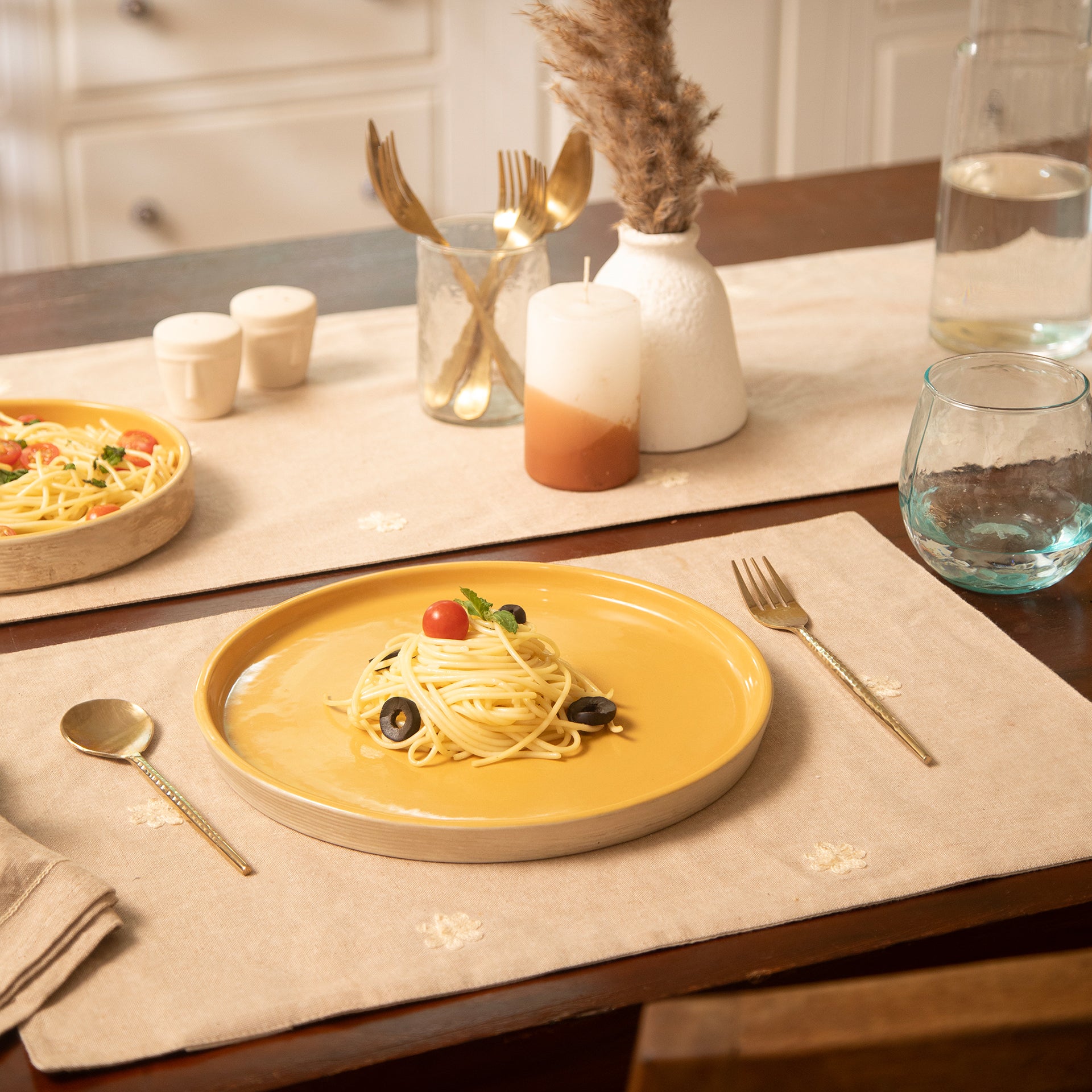
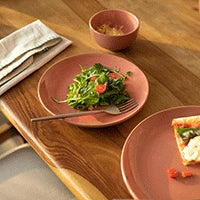
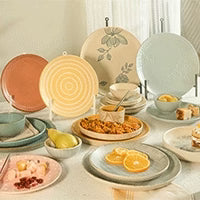
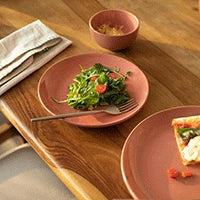
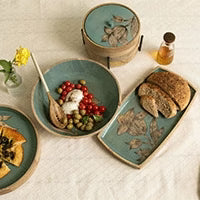
Occasion 1 - Daily Family Meals This is the use case people miss. Ceramic plates were made for the everyday meal dal-roti, rice-sabzi, idli-sambar, chai and biscuits, as they retain heat better than steel, taste better than melamine, and look more inviting than plastic. Daily use is what ceramic is built for, hence saving them only for guests defeats their purpose.
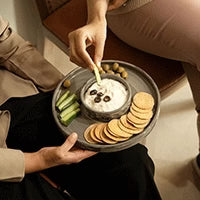
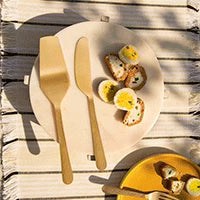
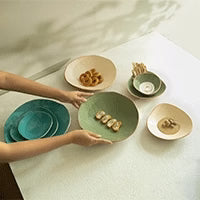
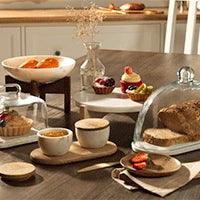
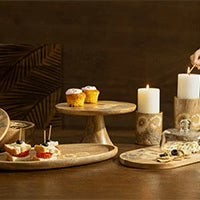
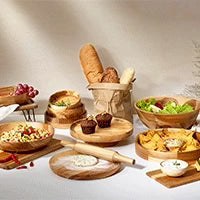
Occasion 2 - Hosting Family and Friends Ceramic transforms a casual gathering into something that feels considered. A simple Sunday lunch served on handmade ceramic plates reads as effort and care, whereas the same lunch on steel plates feels rushed. The same lunch on melamine feels disposable. This is why hosting is one of ceramic's biggest natural fits.
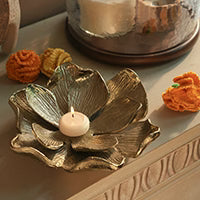
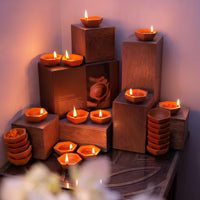
Occasion 3 - Festive Cooking and Religious Rituals Diwali sweets on a ceramic platter or Naivedyam offerings on a small ceramic bowl or the bhog plate during festivals. Indian festive cooking has always called for vessels that feel reverent, and ceramic, especially with earthy or jewel toned glazes sits naturally within that tradition. It also retains heat well for slow served meals like a festive thali.
Occasion 4 - Hot Indian Curries and Gravies This is where ceramic structurally outperforms melamine and plastic. Ceramic holds heat 3x longer than steel, doesn't transfer heat to your hands the way steel does, and won't leach chemicals at high temperatures the way melamine can. For dishes like butter chicken, rajma, palak paneer, or sambar that arrive at the table hot and need to stay hot, ceramic is genuinely the right material.
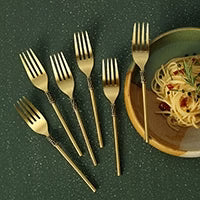
Occasion 5 - Formal Dining and Plated Meals When you want a meal to feel restaurant-quality at home for a special evening, an anniversary dinner, a date night, or a small dinner party ceramic is the move. The weight, the glaze, the slight imperfection of handmade pieces, all signal intentionality. Plastic and steel cannot replicate that, regardless of how good the food is.
When NOT to Use Ceramic Plates - The 3 Situations to Skip
Honest content earns trust. Ceramic isn't perfect for every situation:
1. Direct flame or stovetop cooking Ceramic plates are not cookware. Never place a ceramic plate directly on a gas flame, electric coil, or induction hob. They are designed for serving and storing, not cooking. (Specialised ceramic cookware exists, but standard dinner plates are not it.)
2. Outdoor casual use, picnics, kids' meals Take melamine or stainless steel for picnics, treks, beach trips, and toddler meals on the floor. Ceramic is breakable, and outdoor environments add risk without adding much benefit. Save the ceramic for the table.
3. Extreme thermal shock situations Don't move a ceramic plate directly from the freezer to a hot oven, or from a hot oven into cold water. The sudden temperature change can cause cracks. Always allow temperature equalisation—usually 5-10 minutes at room temperature is enough.
How to Maintain Ceramic Plates - The 8 Rules for 10+ Years of Use
Most ceramic care advice on the internet is overcomplicated. Here are the eight rules that actually matter and the only ones you need to remember:
Rule 1 - Wash Soon After Use Acidic Indian foods (tomato gravies, tamarind dishes, pickles) can leave faint marks on the glaze if left overnight. Wash plates within a few hours of use to prevent staining and surface dulling. This single habit extends ceramic lifespan more than any other practice.
Rule 2 - Use Mild Detergent and Non-Abrasive Sponges Standard dishwashing liquid is enough. Avoid scouring powders, steel wool, abrasive scrubbers, and harsh chemical cleaners all of these erode glaze over time. A soft sponge or microfibre cloth is the only tool ceramic needs.
Rule 3 - Avoid Thermal Shock Never move a ceramic plate directly from refrigerator to hot stove, oven, or microwave. Let it come to room temperature first (5-10 minutes). The same applies in reverse: do not dunk a hot plate in cold water. Thermal shock is the #1 cause of unexpected ceramic cracks.
Rule 4 - Stack With Care Stacking heavy ceramic plates directly on top of each other gradually scratches the bottom plate's base against the glaze of the one below. The solution is to place a soft cloth, paper towel, or felt pad between stacked plates. This is the single biggest mistake families make in plate storage.
Rule 5 - Dishwasher Is Fine, But Use Gentle Cycles Most modern handmade ceramics, including Ellementry's collection, is dishwasher safe. But use the gentle or eco cycle, not the heavy-duty cycle. The heavy cycle's intense heat and prolonged exposure to dishwasher salts can slowly dull the glaze over years. Gentle cycles preserve plates indefinitely.
Rule 6 - Remove Stains Promptly With Natural Methods As we know Indian cooking is famous for its stains; turmeric, beetroot, tomatoes, gravy—all leave marks on ceramic, especially the light toned ones. The fix is simple:
- For turmeric stains: rub with half a lemon dipped in salt, leave 10 minutes, rinse
- For tea/coffee stains: paste of baking soda and water, gentle scrub, rinse
- For greasy build-up: hot water with a few drops of vinegar before regular wash
- For deep masala marks: baking soda + lemon juice + 5 minutes works almost every time
Rule 7 - Microwave Use With Common Sense Most handmade ceramic is microwave safe but check for these warning signs first:
- No metallic glazes, rims, or gold accents— these will spark.
- No hairline cracks as the heat will widen them.
- Use shorter heating cycles (1–2 minutes max).
- Don't microwave an empty ceramic plate—there's nothing to absorb the energy and the plate can overheat & break.
Rule 8 — Store in Dry, Stable Spaces Ceramic doesn't fear moisture, but it does fear sudden movement. Store plates in stable cabinets where they won't slide or jostle. Avoid stacking more than 8-10 plates in a single column because heavy stacks put stress on the bottom plates and increase chip risk.
The Common Maintenance Mistakes Indian Families Make
These four mistakes account for most premature ceramic damage in Indian kitchens:
|
Mistake |
What happens |
The fix |
|
Hot plate into cold water |
Thermal shock cracks the plate |
Let plate cool to room temp first |
|
Steel wool on tough stains |
Erodes glaze, dulls finish forever |
Baking soda paste + soft sponge |
|
Stacking without padding |
Base scratches the plate below |
Insert a soft cloth between plates |
|
Direct stove or flame contact |
Plate cracks or shatters instantly |
Ceramic is serveware, not cookware |
Built to Last 10+ Years Ellementry's handmade ceramic plates are wheel-thrown, high-fired, and glazed to withstand decades of daily Indian use designed for the routines this guide describes.
→ Browse Ellementry's Ceramic Plates Collection
A Note on Handmade vs Factory Ceramic
All the care advice above applies to both handmade and factory ceramic, but handmade ceramic responds to care differently. It absorbs the marks of use a little more gently, retains glaze depth longer, and develops a quiet character over time. Factory ceramic, by contrast, looks pristine until it suddenly chips or dulls; there's less middle ground.
If you've invested in handmade ceramic from Ellementry or any artisan brand the care above will keep it looking close to new for 10+ years. That return on a single purchase is unmatched by any other plate material.
Frequently Asked Questions
Q: When should I use ceramic plates instead of melamine or steel?
Use ceramic plates for daily family meals, hosting, festive cooking, hot Indian curries, and formal dining. Ceramic outperforms melamine for hot foods (no chemical leaching), outperforms steel for aesthetics and heat retention, and is suitable for every occasion except for outdoor casual use or stovetop cooking.
Q: Are ceramic plates microwave safe?
Yes, most handmade ceramic plates including Ellementry's are microwave safe. Avoid plates with metallic glazes, gold rims, or visible cracks. Use shorter heating cycles of 1–2 minutes maximum, and never microwave an empty ceramic plate.
Q: How do I remove turmeric and masala stains from white ceramic plates?
Cut a lemon in half, dip it in salt, and rub directly on the stain. Leave for 10 minutes, then rinse. For tougher stains, apply a paste of baking soda and lemon juice, leave for 5 minutes, scrub gently with a soft sponge, and rinse. This works on almost every Indian cooking stain including turmeric, beetroot, tomato, tea and coffee.
Q: Can ceramic plates go in the dishwasher?
Yes, most handmade ceramic plates are dishwasher safe. Use the gentle or eco cycle rather than the heavy-duty, which can dull glaze over years. Place plates on the bottom rack and avoid overcrowding. With proper dishwasher use, ceramic plates can last 10+ years without glaze degradation.
Q: Why do ceramic plates crack and how do I prevent it?
The number one cause of ceramic cracking is thermal shock and sudden temperature changes. Never move a plate from the refrigerator directly to the oven, or from a hot oven to cold water. Always allow 5-10 minutes for temperature equalisation. The second cause is direct flame contact ceramic is serveware, not cookware. Avoiding both extends ceramic life significantly.
Q: How long do good quality ceramic plates last?
Handmade ceramic plates, when cared for properly, last 10+ years. Quality wheel-thrown ceramic fired above 1200°C, like Ellementry's collection, has been shown to retain glaze quality and structural integrity for over a decade of daily Indian household use. This makes ceramic significantly more cost-effective than melamine over time.
Q: Are ceramic plates safe for children?
Ceramic plates are food-safe and chemical-free, making them perfectly safe for children to eat from. However, they are breakable for toddlers or very young children eating unsupervised, melamine or stainless steel is more practical. For supervised meals and older children, ceramic is both safe and educational (it teaches careful handling).
Q: How should I store ceramic plates to prevent damage?
Store plates in stable cabinets where they won't slide. Place a soft cloth or paper towel between stacked plates to prevent base-on-glaze scratching. Don't stack more than 8–10 plates in a single column. Keep plates away from direct heat sources or extreme cold storage.
Ellementry's ceramic plates are designed for the routines this guide describes i.e., daily meals, hosting, festive cooking, and the slow accumulation of a kitchen that lasts. Ellementry does not just provide plates, but the ones that rewards care

 easy returns
 safe & secure
 hand crafted