

































































How to Switch From Melamine to Ceramic Plates: A Complete Guide for Indian Families in 2026
Indian search for melamine has dropped by 50%. Search for ceramic dinner plates has grown 30%. Something is quietly happening at dinner tables across India and most families are halfway through the switch without realising it has a name.
Why Indian Families Are Quietly Switching From Melamine to Ceramic
Until about 2022, melamine was the practical answer. It was light, unbreakable, cheap, and survived the chaos of Indian family meals. Every household had a stack of melamine plates with floral patterns, usually scratched, usually stained, and almost always too hot to hold after a microwave round.

Then quietly, something shifted. The query 'melamine plates vs ceramic' has grown 10%. These are not aesthetic numbers, they are decision numbers. Indian families are actively comparing, and they are switching.
There are three reasons it is happening, and they all matter :
1. The prevalent melamine-and-heat problem, though melamine is stable at normal temperatures, but at temperatures above 70°C like in hot tea, hot dal, hot curry, & almost every Indian meal—it can release tiny amounts of melamine and formaldehyde into food. Studies from the FSSAI and international food safety bodies have flagged this risk repeatedly. Most Indians don't read those studies, but they have started to feel the discomfort: a plastic-y smell, a strange aftertaste, a plate that feels wrong holding hot food. The market is catching up to chemistry.
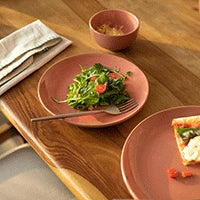
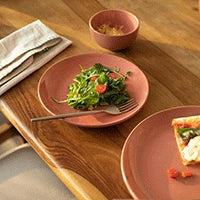
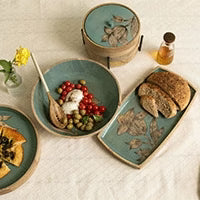
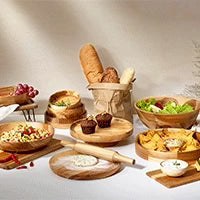
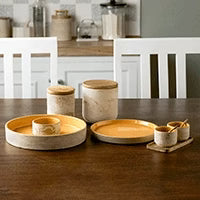
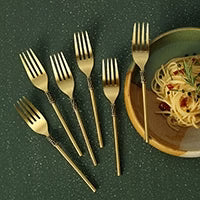
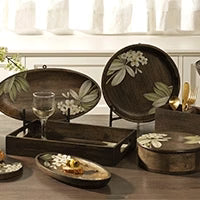
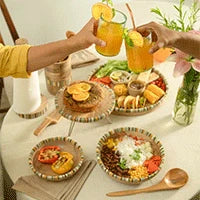
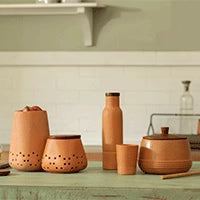
2. Ceramic looks like the kitchen people now want Instagram, Pinterest, restaurant culture, and a growing interest in slow living have all pulled Indian aesthetics in the same direction toward natural, handmade, intentional materials. Ceramic fits that frame perfectly. Melamine, even at its best, looks like what it is: factory-made plastic.
3. The math has changed Melamine plates last 2–3 years before they scratch beyond comfort, stain permanently, or warp from heat. A family of four typically replaces them three times in a decade. Handmade ceramic plates, cared for properly, last 10+ years. The lifetime cost difference is roughly ₹3,000 in ceramic's favour and that is before counting the value of not eating off scratched plastic for those years.
The Switch : A 6-Step Plan
This is the practical sequence Indian families are following to make the switch without overspending, over-buying, or feeling overwhelmed. Each step takes a weekend at most.
Step 1 - Understand What You're Actually Switching From Take a quick inventory of your current melamine. Most Indian kitchens have:
-
6-8 dinner plates (often mismatched from years of replacements)
-
4-6 side plates or quarter plates
-
2-4 serving bowls
-
Assorted soup bowls, dessert plates, and small dishes
Most of this is over-buying. You actually use 60% of it. The switch is a chance to right-size.
Step 2 - Calculate What You Actually Need Forget the 16-piece dinner sets sold online. Most are designed to inflate the count and the price. The functional sweet spot for an Indian family of four is:
|
Item |
Quantity |
Why |
|
Dinner plates (10.5–11 inch) |
4 |
One per person for daily meals |
|
Quarter / side plates (8 inch) |
4 |
For breakfast, snacks, dessert |
|
Pasta / soup bowls |
4 |
Versatile - pasta, dal, kheer, ramen |
|
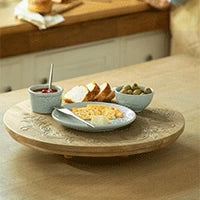
Serving platters (large) |
2 |
For sabzi, biryani, kebabs |
|
Small chutney / pickle bowls |
4 |
For accompaniments |
|
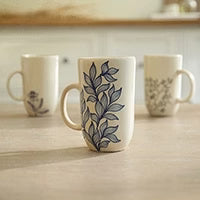
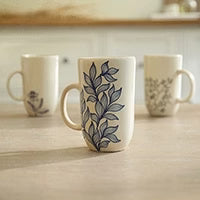
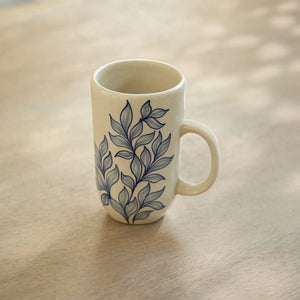
Chai / coffee mugs |
4 |
Daily ritual essentials |
That's 22 pieces and it covers every meal you'll cook for the next decade. Compare with the typical 32-piece melamine set most families currently own.
Step 3 - Phase the Purchase Over 2–3 Months Buying everything at once is unnecessary and expensive. The smart sequence:
Month 1: Four dinner plates + four quarter plates. This handles 80% of daily meals.
Month 2: Four bowls + two serving platters. Now you can host and serve properly.
Month 3: Mugs, small bowls, and any specialty pieces. Round out the collection.
Phasing also lets you live with the new plates before committing more. By month 2, you'll know if you want to expand the same style or mix in something complementary.
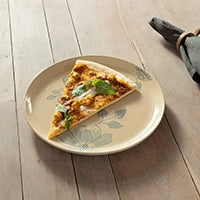
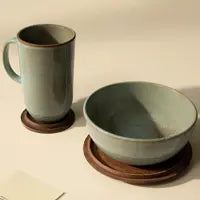
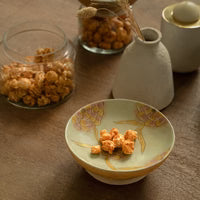
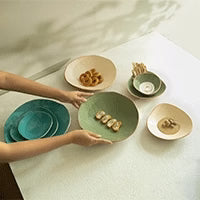
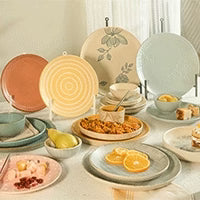
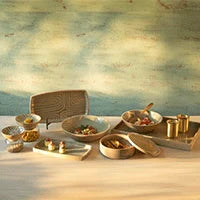
Step 4 - Choose Handmade Over Factory-Made Within ceramic, there is a quality gap most buyers don't realise exists. Factory-made ceramic (mass-produced, identical, often imported) chips faster, has thinner glaze, and tends to feel lighter than expected. Handmade ceramic like Ellementry's is wheel-thrown by Indian artisans, fired at higher temperatures, and has visible craft marks that signal authenticity. Three quick checks before buying:
-
Pick up the plate. Quality handmade ceramic has noticeable weight.
-
Look at the underside. Hand-thrown plates show subtle finger marks or a slightly uneven base.
-
Check the glaze. Glaze should feel smooth but show small natural variation as too perfect means factory.
Step 5 - Learn Basic Ceramic Care Ceramic lasts decades if cared for correctly. The four rules:
-
Avoid thermal shock. Never move a plate directly from the refrigerator to the hot stove or oven. Let it come to room temperature first.
-
Use mild detergent. Harsh chemical cleaners erode glaze over time. A simple dishwashing liquid is enough.
-
Stack with care. Place a soft cloth or paper between stacked plates to prevent base scratches on neighbouring plates.
-
Dishwasher is fine, but. Most handmade ceramic dishwashers use the gentle cycle, not the heavy-duty one, which can dull the glaze over the years.
Step 6 - Responsibly Dispose of Old Melamine Don't throw melamine in regular trash if you can avoid it, it doesn't biodegrade and contributes to plastic waste. Better options:
-
Donate intact plates to local community kitchens, schools, or temples
-
Use damaged ones as garden planters, paint trays, or pet bowls
-
Recycle through plastic recycling collectors who accept rigid plastics
-
Some Indian cities now have melamine-specific recycling drives. Search locally!
Melamine vs Ceramic - The Honest Comparison
A balanced look. Melamine isn't evil, it's just outgrown. Here is what each material genuinely offers:

|
Factor |
Melamine |
Ceramic (Handmade) |
|
Safety with hot food |
Risk above 70°C |
Completely safe |
|
Durability lifespan |
2–3 years |
10+ years |
|
Microwave safe |
No |
Yes |
|
Oven safe |
No |
Yes |
|
Dishwasher safe |
Yes |
Yes |
|
Weight / feel |
Light, plastic |
Substantial, natural |
|
Aesthetics |
Printed patterns |
Glazed, artisan-made |
|
Eco-friendliness |
Plastic, hard to recycle |
Natural material, biodegradable |
|
Cost upfront |
Lower |
Higher |
|
Cost over 10 years |
Higher (3 replacements) |
Lower (one-time) |
Start Your Switch With Ellementry Handmade ceramic dinner plates, bowls, and serving sets built to last a decade and made by Indian artisans across Jaipur and Khurja.
→ Explore the Ellementry Collection
How Much Does the Switch Actually Cost?
A realistic budget for the full 22-piece ceramic switch using Ellementry's range:
|
Phase |
Items |
Approx. Cost |
Monthly Spend |
|
Month 1 |
4 dinner + 4 quarter plates |
₹2,000–3,000 |
Manageable |
|
Month 2 |
4 bowls + 2 serving platters |
₹2,000–3,000 |
Manageable |
|
Month 3 |
4 mugs + 4 small bowls |
₹1,500–2,500 |
Round-off |
|
Total |
22-piece complete set |
₹5,500–8,500 |
Lasts 10+ years |
Compared to ₹12,000–18,000 spent on three rounds of melamine replacement over the same decade, ceramic is the cheaper option by ₹4,000–10,000.
Frequently Asked Questions
Q: Is melamine actually unsafe to eat from ?
Melamine is safe at room temperature. It becomes a concern when hot food (above 70°C) is served on it for extended periods, as small amounts of melamine and formaldehyde can leach into food. For occasional hot use it is generally considered low-risk, but for daily use with hot Indian foods like dal, curry, and chai, ceramic is safer and recommended by food safety bodies including the FSSAI.
Q: How many ceramic plates does an Indian family of four actually need ?
Twenty-two pieces is the functional sweet spot: 4 dinner plates, 4 quarter plates, 4 bowls, 2 serving platters, 4 small chutney bowls, and 4 mugs. This handles daily meals, occasional hosting, and Indian breakfast-lunch-dinner routines. Anything more is decorative storage.
Q: Can I switch from melamine to ceramic without spending too much at once ?
Yes, phase the purchase over 2-3 months. Start with 4 dinner plates and 4 quarter plates in Month 1 (handles 80% of daily meals), add bowls and serving platters in Month 2, and complete with mugs and small bowls in Month 3. Total cost is typically ₹5,500–8,500 spread over three months.
Q: Is ceramic actually more expensive than melamine over time ?
No, ceramic is cheaper over a decade. Melamine plates last 2-3 years before scratching or warping, requiring three replacements in ten years (₹12,000-18,000 total). Quality handmade ceramic lasts 10+ years from a single purchase (₹5,500-8,500). Ceramic saves ₹4,000–10,000 across a decade and you eat off better plates throughout.
Q: What's the difference between factory-made and handmade ceramic plates ?
Handmade ceramic is wheel-thrown by artisans, fired at higher temperatures (above 1200°C), has thicker glaze, and shows subtle craft variations that confirm authenticity. Factory-made ceramic is identical, machine-produced, thinner-glazed, and chips faster. Quick checks before buying: weight (handmade is heavier), underside (hand-thrown shows finger marks), and glaze (perfect uniformity suggests factory).
Q: Are ceramic plates microwave and dishwasher safe ?
Most handmade ceramic plates are both microwave and dishwasher safe. Ellementry's ceramic dinnerware is fully microwave and dishwasher safe. Use the dishwasher's gentle cycle (not heavy-duty) to preserve glaze over the years. Avoid plates with metallic glazes or rims in the microwave.
Q: What should I do with my old melamine plates after switching ?
Don't throw them in regular trash. Better options: donate intact plates to community kitchens, schools, or temples; repurpose damaged ones as garden planters or pet bowls; or recycle through plastic recyclers who accept rigid plastics. Some Indian cities have melamine-specific recycling drives worth searching locally.
Begin the Switch Today Browse Ellementry's complete ceramic dinnerware collection handmade plates, bowls, mugs, and serving sets designed for the modern Indian kitchen.

 easy returns
 safe & secure
 hand crafted