



















Carafe vs Decanter: What Is a Carafe, How to Use It & Which one to Buy?
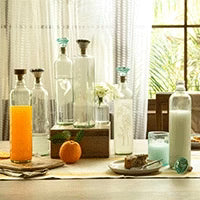
Nothing ruins the mood of a dining table setting more than a plastic bottle, a Tetra Pak carton, or a wine bottle sitting on the table. Elevate your serving experience with the help of elegant vessels. A carafe or a decanter could be your choice.
Both may look similar, but they have different roles. One may help you while hosting, while the other is crafted to unlock wine’s hidden potential. In the piece below, we decode carafes, explore what makes them different from a decanter, understand their uses, and guide you through choosing the right one you need.
What is a carafe?

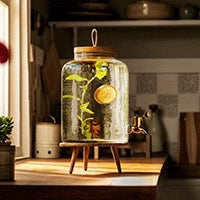
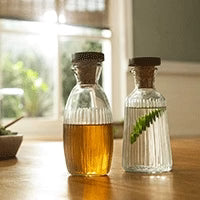
A carafe is a glass container, typically featuring a narrow neck and a wider body, designed to hold water, juices, wine, or coffee. Its design may seem modern and sophisticated, but its origins date back to 17th-century France, when European traders and Renaissance societies adopted similar vessels from Mediterranean trade routes.
The design of a carafe emerged from practical necessity. The Carafe’s design emerged out of necessity. During ancient times, preserving liquids for storage and during travel was challenging. Most liquids were carried in large, heavy containers. While these vessels were effective for transport, they were not ideal for serving.
This gave rise to the need for a container that could not only hold substantial amount of liquid but also make serving and pouring easier. Thus, the carafe was born.
Contrary to the carafe, which was designed primarily for serving liquids, a decanter was crafted specially for wine. Let’s explore the differences between the two.
Carafe vs Decanter
A decanter is also a glass vessel used to hold liquids, but mostly wine. At first glance, a carafe and a decanter may look similar; however, they differ significantly in both form and function. They were also created with different primary purposes in mind.
|
Feature |
Carafe |
Decanter |
|
Primary Purpose |
Elegant serving of beverages |
Aeration of wine and separation of sediment |
|
Shape and silhouette |
Tall body, narrow or elongated neck, straight or gently flared base |
Wide base with a narrower neck |
|
Surface Area |
Generally, offers lower surface exposure than a decanter |
Wide base exposes more liquid to air |
|
Best Used For |
Water, juice, iced tea, batch cocktails, wine, or coffee |
Aged wines, including Cabernet Sauvignon, Syrah, and Port |
|
Temperature Control |
Often available in thermal or double-walled glass designs |
Typically made with thinner glass and not intended for temperature retention |
|
Lid / Stopper |
Often comes with a lid, cap, or inverted drinking glass |
May include a glass or crystal stopper for short-term storage after aeration |
Types of Carafes
Carafes come in different shapes and forms. While most share common characteristics such as a handleless design, narrow neck, and flared rim, each type is suited to specific beverages and occasions. One may be perfect for juices, while another may be ideal for serving wine.
Water Carafes
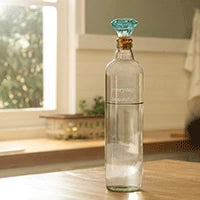
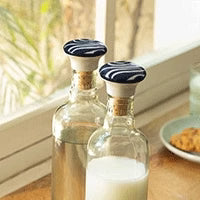
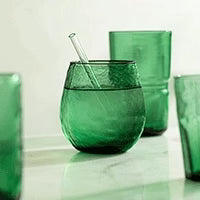
Water carafes are ideal for personal use, cleanliness and minimalist aesthetics. You will often find them on bedside tables, in boardrooms, or on home office desks, quietly elevating their surroundings.
Many come with a lid or cap that keeps water from dust and impurities. Some are paired with a small tumbler that sits neatly over the opening, serving both as a drinking glass and a protective cover.
Wine Carafes
Wine carafes are crafted primarily for portioning and serving wines, particularly house wines. Their streamlined design allows for an elegant and controlled pour.
The wider body and balanced shape help flaunt wine beautifully while allowing convenient pouring with minimal spills.
Juice Carafes
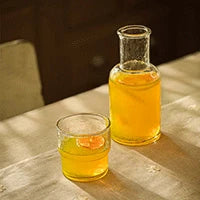
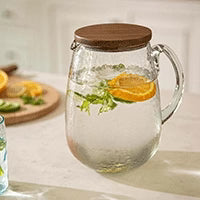
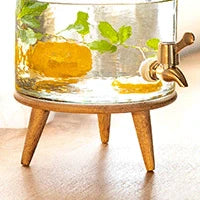
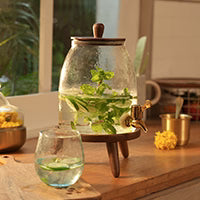
You will often find juice carafes at picnics, brunches, and breakfast tables displaying colourful beverages. They resemble pitchers, featuring a broad base, flared rim, and pour spout.
Many also come with wooden, silicone, or stainless-steel lids to cover the opening for added convenience.
How to Use a Carafe at Home?
Considering its versatility, a carafe can add good value to both your hosting style and your everyday living experience. The key is matching it to the right setting.
It can sit quietly on your bedside table, keeping water within reach when you are thirsty. The glass vessel blends seamlessly in its surroundings while adding understated elegance to the space. Place it on your home office desk to serve clients or guests in style.
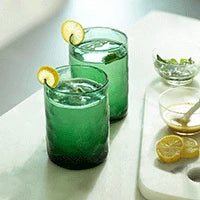
On a Sunday afternoon, keeping a juice filled carafe alongside a spread of snacks, or cucumber slices, mint sprigs or lemon wheels added to one holding plain water can make these simple beverages delightful.
At dinners, nothing can be more elegant that watching a beautiful red wine being poured into fine wine glasses through a carafe.
How to Clean a Carafe Properly?
A carafe is narrow at the top and wider at the bottom, which can make cleaning seem difficult at first. Since most carafes are made of glass, they should also be handled carefully. If not cleaned thoroughly, residue can build up over time. So, what is the right way to clean one? Let’s explore a few simple methods.
Use the swirl technique to avoid harsh scrubbers, brushes, or abrasive cleaners. Begin by adding a pinch of coarse salt and some uncooked rice into a dry carafe. Add a splash of vinegar, a few drops of liquid dish soap, and enough lukewarm water to cover the mixture.
Cover the opening with your hand or lid, hold it firmly, and shake gently so the solution swirls around the interior. This will help to take out the residue from the crevices. Empty the contents, rinse thoroughly with clean water, and allow the carafe to air dry.
If the carafe is regularly used for wine or coffee, dark stains may develop. In that case, add two tablespoons of baking soda and fill the carafe with lukewarm water. Let it sit for about thirty minutes. The baking soda will naturally help break down organic stains. Rinse thoroughly afterwards.
Which One Should You Buy?
Choosing the right carafe depends largely on how you intend to use it. Carafes come in a variety of materials, sizes, and designs, each suited to different purposes.
For bedsides and offices, an hourglass-shaped or straight-walled carafe is an excellent choice. The ones made from borosilicate glass with a wooden stopper offer durability while maintaining a refined appearance.
For dinner parties, casual brunches, or gatherings, consider a larger carafe that can accommodate more liquid. These are particularly useful for serving lemon-infused water, juices, or cocktails. Besides keeping beverages conveniently accessible, they also contribute to the visual appeal of the table.
Before making your purchase, keep a few practical considerations in mind. Ensure the size fits comfortably in your refrigerator. Check whether it is dishwasher safe. Finally, look for borosilicate or double-walled glass constructions that offer resistance to thermal shock and everyday wear.
FAQs
What is the difference between a carafe and a decanter?
A carafe is tall, narrow, and designed for efficiently serving daily drinks like water, juice, or coffee. A decanter has a dramatically wide, flat bottom designed specifically to expose vintage red wine to oxygen and separate it from bitter sediment.
Can I use a carafe for water on my dining table?
Yes, it is the perfect way to use one. Swapping out plastic bottles or cartons for a glass or ceramic water carafe instantly elevates your table setting and makes casual dining feel cohesive and elegant.
How do you clean the inside of a glass carafe?
Drop two tablespoons of coarse salt or dry rice into the empty carafe, add a generous splash of white vinegar or warm soapy water, and swirl it vigorously. The grains act as a non-scratch abrasive to scrub the narrow base clean.
Is a carafe the same as a jug?
Not really. While both are serving vessels, a jug features a prominent handle and a defined pouring spout. A carafe is handleless, relying on a narrow neck for gripping and a flared rim for pouring.
What is a carafe used for in Indian homes?
In Indian homes, carafes are modern, aesthetic upgrades for serving chilled water to guests or holding fresh breakfast juices like mosambi or mango during family brunches. They are also highly popular as bedside water sets on nightstands.

 easy returns
 safe & secure
 hand crafted