



























Marble vs Wooden Chakla: Which one make better Rotis?
An Indian kitchen is made of multiple accessories that set the soundtrack of food preparation. In the middle of this rhythm, there is the thump of a chakla and belan. A humble, unmissable duo that is part of our daily lives.
Over the years, our kitchens have slowly transitioned to contemporary aesthetics and marble countertops. This transcendence has given rise to the debate of the material of the rolling board. Whether it should be made of marble or wood that has been part of our ancestral kitchens.
Are there other materials that can make our everyday ritual a bit easy? We have prepared a tiny chakla belan guide to find out the best chakla for roti making as well as to find the difference between wooden chakla vs marble chakla. Let’s explore.

marble vs wood at a glance
Firstly, let’s get a basic idea about the difference in the features of marble chakla as well as wooden chakla with the help of the following table. So, we can decide which one would be the best chakla for making rotis.
|
Feature |
Marble Chakla |
Wood Chakla |
|
Surface Temperature |
Comparatively cold that does not let ghee or butter melt faster. |
Either neutral or warm. Keeps the ingredients at room temperature. |
|
Weight and Stability |
Heavy; anchors firmly and does not slide easily while rolling. |
Easy to move but can slip easily. |
|
Moisture Absorption |
No moisture absorption. Sticky dough clings if not floured well. |
Absorbs excess moisture to prevent dough from clinging. |
|
Maintenance and Wash |
Easy to clean with soap and water; dough easily scrapes off. |
Cannot be soaked in water for longer; requires longer air drying to prevent mould. |
|
Durability |
Lifetime, if it does not bend or get cracked due to a fall from a height. |
Moderate; can develop scratches from knives over time and may crack if not dried completely. |
|
Sound Level |
Makes a distinct thumping sound against the counter and belan. |
Absorbs the sound of rolling or kneading beautifully. |
Marble chakla — pros and cons
Now, when you understand the attributes of a marble chakla, let’s try to understand some advantages and setbacks of using it. Most importantly, what it is best used for. It may be hard to manage the chaos of an Indian kitchen when someone is trying to satiate the hunger of each family member.
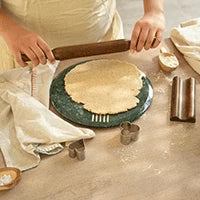
But, if you have a strong companion in the form of a marble roti-making board with you, the disorder becomes easier to tame. It brings a stable and sturdy assurance with a cool surface that offers a flawless rolling experience. It will not only stay with you as part of your everyday routine for decades but also offer an elegant appeal that is hard to miss.
On the other side, it may be hard to carry from one place to another as it is comparatively heavy. If handled without caution or subjected to hard impact, it may develop cracks or chips.
A marble chakla is ideal for making rotis, parathas and puris regularly while serving as a timeless kitchen tool that doubles as a countertop accent. This can be the one for you if you are looking for longevity and do not mind a little extra weight.
Wooden chakla — pros and cons
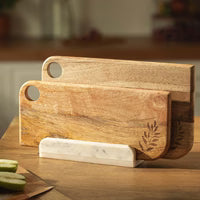
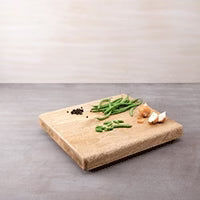
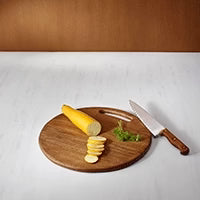
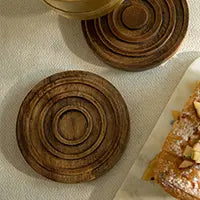
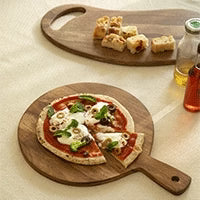
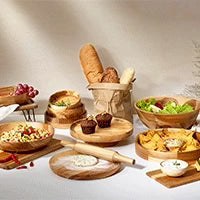
Mostly paired with a wooden belan or rolling pin, a wooden chakla brings a natural warmth to your modern kitchen. It is easy to carry and easier to handle. It is neither excessively cold nor warm, which helps by gently embracing the dough and absorbing the excess moisture, thus making the roti-making process easier and effortless. It is less prone to breakage as compared to the marble chakla. The grainy patterns and the organic texture of a handcrafted wooden chakla add a grounding vibe to the cooking space.
On the other hand, one is not supposed to keep it in water for a longer duration as it may affect the natural material, thus decreasing its longevity. To increase its life, it will require thorough drying and occasional conditioning with oil. This will not only preserve the wood but prevent warping over time. It may also develop scratches with use and may not handle sticky dough well.
This is perfect for rolling rotis and flatbreads and for those who have small kitchens where lightweight accessories and portability are a priority. It acts as an accessory that ages gracefully and develops character over time.

What about steel / stone chakla?
Since we have already talked about two major materials used for making chaklas for the kitchen, you may wonder, what about steel? Is that a good enough material to be used in Indian kitchens and would that be able to serve as a competent kitchenware tool? Let’s find out the answers to these questions.
Because of its clean appearance and easy-to-maintain properties, a steel chakla has become a popular choice in the modern, contemporary kitchen. It offers both convenience and performance, thus making everyday kitchen chores fuss-free.
Steel chaklas are made of stainless steel that does not lead to any breakage, scratches or chips. It is also easier to maintain as it does not absorb any moisture, oil or odours, allowing a clean and hygienic cooking environment. It is lighter than marble or stone and retains its appearance without requiring much care.
A steel chakla can prove to be your favourite if you prefer your kitchen to have a modern setting, an easy-to-clean and durable option that does not wither after prolonged usage.
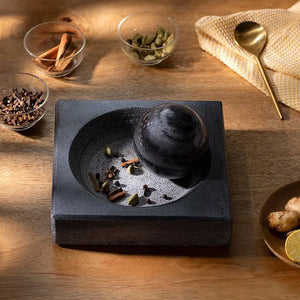
Stone chaklas are mostly made of granite or natural stone and offer similar stability and durability as marble chaklas. They have a cool temperature and prove to be multitaskers for rolling pastry doughs or cookies. They bring a unique beauty to the kitchen because of their distinct patterns, textures and colour variations. So, you can not only match them to the rest of the kitchen accessories but also to the aesthetic of your meal-preparation space.
Similar to marble ones, they are also heavy to handle, may crack on impact and require a permanent space on the kitchen top.
How to clean and maintain each type?
Just like any other kitchen accessory, a chakla also goes through a lot. Therefore, it requires careful handling as well as the right care. Here are some handy tips that will help you increase the lifespan of your chakla no matter what material you opt for.
If your choice of chakla is the marble one, use a damp cloth to wipe clean the dough immediately after use. Use mild soap and lukewarm water to wash it and then leave it to air dry before storing. Try not to use acidic, vinegar- or lemon-based solutions that can dull its shine over time. Place it in a location where it does not fall or chip.
While opting for a wooden chakla, remove flour with the help of a damp cloth or brush. Do not soak it in water for long; instead, wipe it clean once washed and leave it to air-dry under the shade. Place it in a well-ventilated space to avoid direct contact with moisture or direct sunlight.
A steel chakla is the easiest to maintain, making it the most pragmatic pick among the lot, especially when it comes to daily usage. You can wash it with mild soap and remove residue with a soft sponge. Wipe it with the help of a microfiber cloth and dry instantly to avoid any watermarks. Store it in a dry place to maintain its shine and try not to use any abrasive scrubbers.
A stone chakla is the most durable one among the lot, but careful handling will maintain its appearance and sheen. Wash it occasionally with mild soap and water and wipe it with a dry cloth before leaving it to dry completely.
FAQs
Which one is better; marble or wooden chakla for making rotis?
Both work well. Marble offers a cool, stable surface ideal for soft dough, while wooden chaklas are lighter, warmer, and easier to handle.
Does the type of chakla affect roti quality?
Yes. A smooth, stable chakla helps achieve evenly rolled rotis, but dough consistency and rolling technique matter more.
How do I clean a marble chakla?
Wipe the chakla with a soft cloth and mild soap, rinse, and dry thoroughly. Avoid harsh chemicals and prolonged exposure to acidic ingredients.
How do I maintain a wooden chakla to make it last longer?
Use a damp cloth to wipe the chakla, dry immediately, and occasionally apply food-safe oil to prevent cracking and maintain its finish.
What size chakla is best for home use?
A chakla between 10 and 12 inches in diameter is ideal for most households, offering enough space for rolling rotis, parathas, and puris comfortably.

 easy returns
 safe & secure
 hand crafted