

























How to Set a Dining Table: Step-by-Step Guide for Everyday, Guests & Festive Occasions
Does setting up a table feel like a test you didn’t study for? A dining table is an empty canvas with infinite potential. After all, a thoughtfully set table does more than showcase cutlery and other tableware. It sets the mood and entices people to a place, where you first start feasting with your eyes.
It is not difficult to turn a dining table into a landscape. All one needs to take care of is create a balance and flow while following a few simple rules of placement. We have curated a step-by-step handbook to turn a piece of furniture into a dining table setup where people begin to socialise. From formal table setting to festive table decoration, this table setting guide will help you in every way.
Basic everyday table setting — 5 simple steps

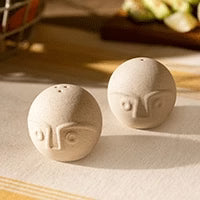
Your dining table soon will become everyone’s favourite spot. When a ray of sunshine catches the grainy tabletop, the steady shadows of the salt and pepper shakers come alive. It is the place where conversations unfold, and families get closer. How does a regular piece of wood transform and become ready to serve the family and bring everyone closer? It may require 5 simple steps that are as follows:
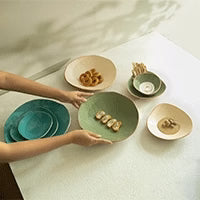
1. Centre the main thali or dinner plate
You will need a main plate and place the other ones at equal distance from each other to identify and seat everyone around the table.
2. Arrange the katoris at the top
Most Indian cuisines have curry or dal, hence a bowl or katori should accompany the plate.
3. Add a spoon if required
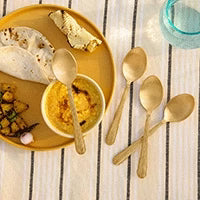
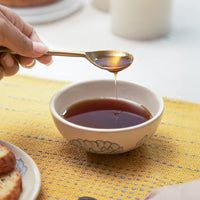
Indian food is usually consumed with bare hands. However, placing a spoon next to the plate will be useful for certain curries, desserts, or serving food on the plate.
4. Place small bowls for curries and accompaniments
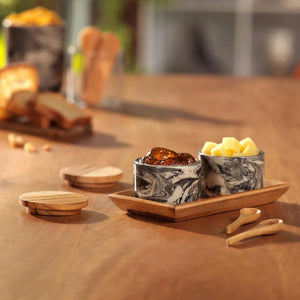
Most Indian thali’s have a dal, a sort of curry, pickle and/or dessert which requires couple of bowls to accommodate them.
5. Keep shared serving dishes at the centre
Place a large serving bowl of dal or platters for rice or rotis in the middle of the dining table so that it is easier for everyone to help themselves to their meal.
Guest/casual dining setup — what to add
When your regular dining setting transforms into a space to welcome guests or casually share a homemade meal with friends, it shall contain elements that not only appeal to them but also make them feel at home.
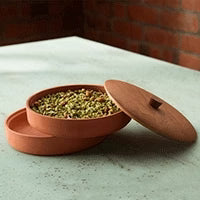
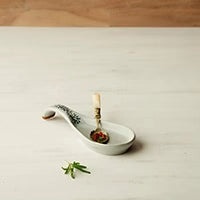
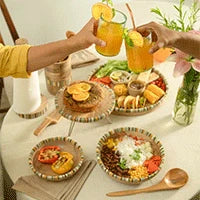
For instance, there must be a distinct casserole for roti and naan. This way, every individual can pick them as per their convenience and when they need them, thus ensuring they remain hot while feasting. You may also add an additional glass or tumbler for a welcome drink such as chaas, sharbat or lassi. Don’t forget to place a dessert spoon as well. While guests can use dinner spoons for the rest of the meal, the dessert spoon is specifically meant for the sweets.
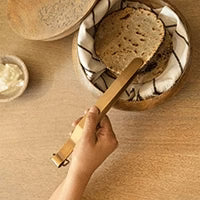
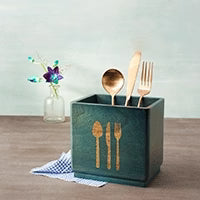
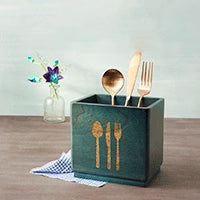
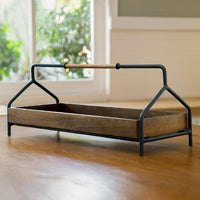
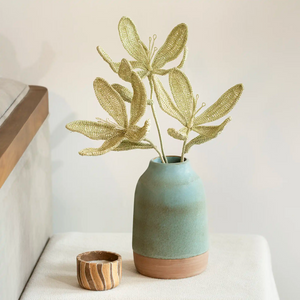
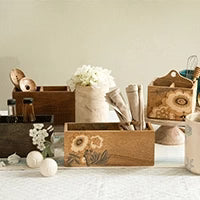
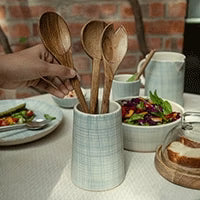
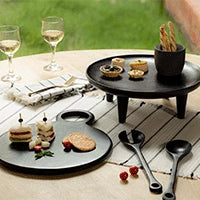
Placing a centrepiece will be ideal for a guest-suited setting. To elevate the table setting, you can either add a vase of fresh flowers or feature a handmade cutlery stand that doubles as a serveware. Salt and pepper shakers though small but can play an important role while serving people with varying tastes. Accompany them with mouth fresheners like saunf, mishri etc.
Remember to place a dedicated arrangement of dinnerware in the middle of the dining table that is accessible to everyone. A separate plate for salads or a bowl of pickles will bring flavours to the meal. Hospitality is crucial in Indian homes. In the end, you can provide a hand towel for the guests to wipe their hands.
Festive & formal table setting for Indian occasions

Indian (hospitality) food reaches its peak during festivals. You may find a variety of curries, dry veggies, dals, sweets and other culinary specialities. Everything deserves a place on the dining table, but they must be served gracefully for maximum enjoyment.
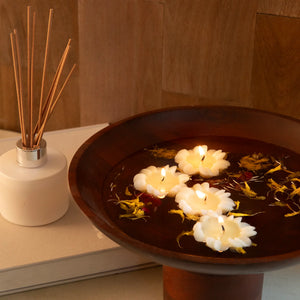
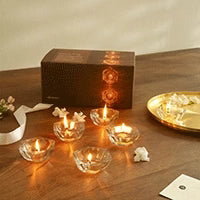
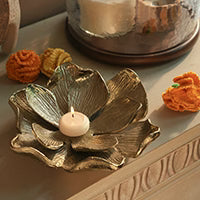
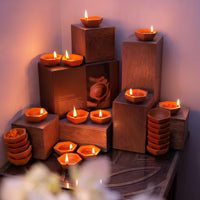
Let’s start with the festive table decoration, a fancy runner along with a centrepiece that matches the occasion’s aesthetic. It can be an wide urli bowl with flower petals floating with diyas which would also provide warm lighting to the lighting of the space. Use placemats to create individual isles. Festive Indian kitchens are often rich with the savory aromas of curry leaves and toasted spices. To bring balance to your dining area, introduce the fresh fragrance of malli phool (jasmine) or the warmth of genda phool (marigold).
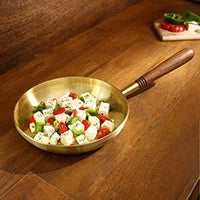
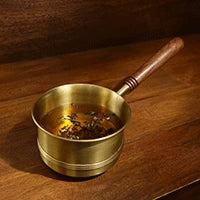
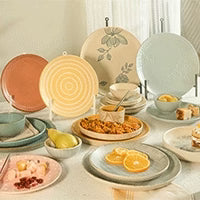
Indian homes generally have special serveware for such events. You may choose between brass, copper or ceramic ones. Serving a traditional meal requires the right layout: a main thali paired with three katoris to beautifully hold your dal, curries, and sweets, complemented by a water glass and spoon. Bring a touch of fine-dining hospitality to the table by offering a lukewarm finger bowl with a slice of lemon at the end, ensuring a clean and graceful conclusion to the feast.
Cutlery & crockery placement explained
A table that is arranged in a methodical manner ensures a curated dining experience while providing the comfort to enjoy the assortment of flavours. A well-placed element on the table makes it look organised and helps guests dine comfortably.
Because Indian food is mostly eaten with the right hand, place most of the small bowls on the upper right. A side plate on the left of the main plate can contain papad or salads. Place the spoon on the right side of the plate as most people are right-handed. Also, keep the water glass slightly above on the right side for ease of access. Additional beverage glasses including juices, buttermilk or mocktails along with water. Keep the serving dishes like pickles, chutneys, salads, curries and breads at the centre of the table but within easy reach.
To present the placement in a comprehensive manner, here is an easy map:
Centre: Dinner plate or thali
Top: Katoris
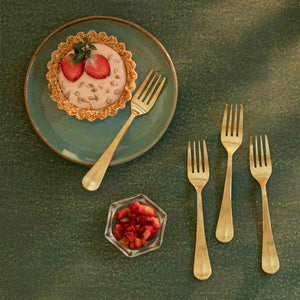
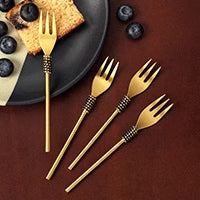
Left: Side plate and optional fork
Right: Spoon and optional knife
Upper right: Water and beverage glasses
Centre of the table: Shared dishes and condiments
Common table setting mistakes to avoid
After cooking, setting the table gets the least attention. Mostly, it is done in haste when guests are about to arrive. Thus, leading to more mistakes than expected. Some of the common table setting mistakes include the following:
• Seeing an overcrowded table with a lot of serveware or not keeping the distance at the individual placemat can overwhelm anyone who comes to the table.
• Remember to keep the centrepiece as low as possible so that people don’t have to bend sideways to see each other’s eyes.
• Try not to overload the thali by adding a lot of items into it. If dal or curry can be separated with the help of a bowl, you can do it.
• Do not swap the sides of rice and roti. A chapatti is broken from the right hand, place it accordingly. This way, rice will be on the left side.
• Restrain from placing accompaniments like pickle or papad in the middle of the plate. They belong on the far left of the plate.
• Keep a separate glass for drinks and water. This is because water cannot be replaced by any other supplementary drink.
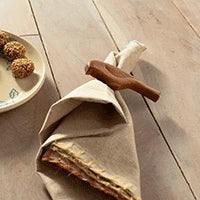
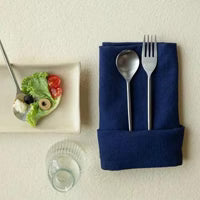
• Place the napkins on the left side of the thali.
Table Setting Recommendations
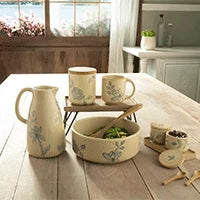
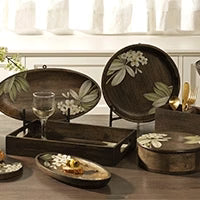
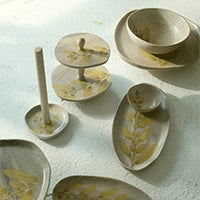
Ellementry’s collection of home décor and serveware can help you create that homely experience for your guests. Whether it is an evening dinner or festive meet-up, our range of expertly crafted handmade products ensure that your table setting remains refined and organised.
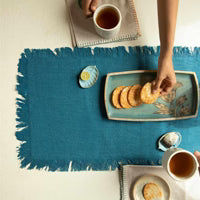
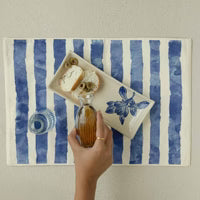
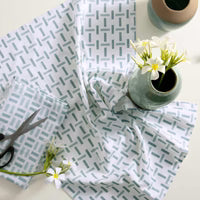
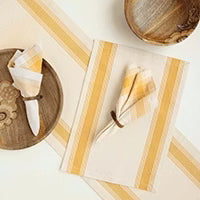
Our range of placemats, such as inky placemats and sapphire placemats help you create individual isle for a cleaner look. On the other hand, our table runners, mellow runner or untied teal runner will add a clean and connected background to the table by giving it a sophisticated look.
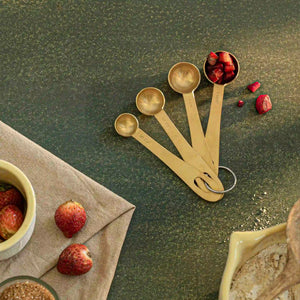
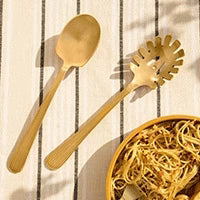
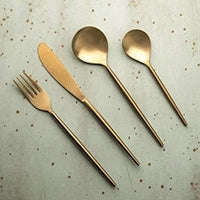
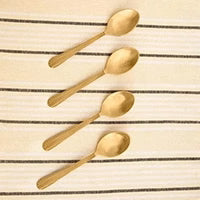
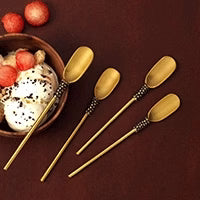
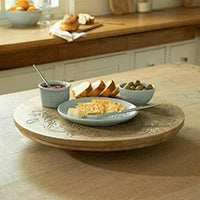
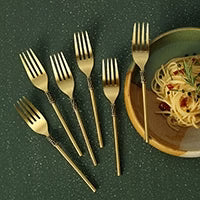
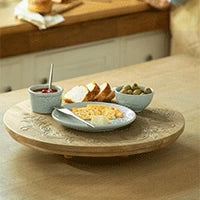
Apart from that, our collection of champagne gold matte finish dessert spoons will let you enjoy the sweetness at the end of the meal. Along with that, Country Home Mango Wood Lazy Susan will be a great addition to make dishes accessible around the table.
FAQs
What is the correct way to set a dining table?
Place the dinner plate or thali at the centre, keep glasses at the upper right, and arrange cutlery and bowls within easy reach.
Where does the fork go when setting a table?
If a fork is required, place it to the left of the plate. For many Indian meals, a fork may not be necessary.
How do I set a table for a formal Indian dinner?
Use a complete place setting with a plate or thali, katoris, glasses, cloth napkins, coordinated serveware, and a simple festive centrepiece.
What is the difference between a casual and formal table setting?
A casual setting focuses on practicality with essential tableware, while a formal setting includes additional serveware, decorative elements, and a more coordinated presentation.
Do I need a table runner for everyday table setting?
No, a table runner is optional and is typically used to add visual interest or protect the table during special meals or gatherings.

 easy returns
 safe & secure
 hand crafted