There is something profoundly satisfying about the knock of the belan over the chakla. As the soft dough rolls flat under the cylindrical surface, your hunger increases with every passing moment.
Chakla belan is not merely a tool. It is the ritual of every Indian household. In a world full of hurried conveniences, the gentle thud of the dough on the surface brings us back to our roots. It brings us back to the comfort of handmade, the joy of slow cooking and the luxury of shaping food with intention.
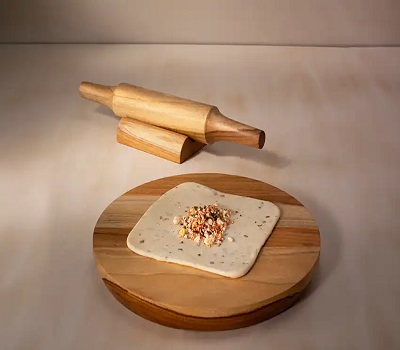
At ellementry, we have crafted our chakla belan set to honour this ritual and balance function, tradition and togetherness. Made from natural materials and crafted with much care, we have designed them to invite you to roll, press, and create with ease and love.
how to choose the right chakla belan for your cooking style
Every kitchen carries its own tradition. Some hum with round rotis, others get filled with appetising warm parathas and puffed-up festive pooris. Choosing the right chakla belan depends majorly on your cooking style.
If your kitchen warms up to ballooned phulkas every day, you would require a sturdy but smooth surface to roll them evenly. Pair it with a light belan that is neither too short nor too big in your palms. However, if you are a family that enjoys crispy parathas with delectable fillings every weekend, you would need a slightly heavier base, such as marble, to make rolling easier.
On the same note, the size of the chakla heavily depends on the size of what you are rolling. If your loved ones prefer big chunks, you can choose a surface with wider diameters. In the end, choosing the right chakla belan is less about the material and more about how it complements your unique cooking style. It’s also about how naturally it fits your hands, kitchen and home.
wood vs marble chakla belan – which is better?
Still wondering which chakla-belan for kitchen would be suitable for you? Let’s understand both of them so you can decide which one would make a perfect member of your kitchen family.
The wood feels warm and familiar in hand. It is almost instinctive. It is easier to handle, lighter to lift, and ideal for rotis and parathas. The surface provides a gentle grip, allowing you to handle the dough without it slipping away. Wood, over the years, develops its own character, a soft patina that holds stories of many meals.
There is a quiet sturdiness to it. Marble is naturally cooling and smoothing, which helps roll thinner, more even discs. The heavier base ensures it remains stable on the counter, which is very helpful when making stuffed parathas or festive pooris that require a strong, even pressure. There is a certain sense of permanence in it. It is solid, dependable, and composed.
Still confused which one is the best pick for you? If you enjoy lightness and agility, wood may be your everyday companion. However, if your style is stability and precision, marble might be your match. Both can be part of your home, as they serve with grace. What is best is what feels familiar in your hands.
how to make soft rotis, parathas & pooris using the right tools
The process of making rotis starts with the first touch. It is not only about the portion but also about the tools that help shape it. The best chakla belan for roti helps the disk spread evenly without much pressure or effort. When the dough moves smoothly on the surface, the flattened flour is ready to be placed on the flame to expand. A smooth surface prevents it from becoming sticky while remaining light.
For layered and stuffed parathas, stability is everything. A steady, bulky base not only keeps the filling intact but also provides enough grip to roll the base from the centre outward. No tearing, no uneven spreading, just crispy, mouthwatering parathas on the tava.
Poori dough is the hardest among the three. And that is why it needs a heavy base with a stronger hold. The right belan applies consistent pressure, helping it become even. So, it rises when it swims in the hot oil.
cleaning & maintaining chakla belan for long-term use
When it comes to a cherished kitchen companion, care is not a chore; it is a ritual. This tradition becomes all the more important when you are caring for one of the most important tools. A little attention will keep your chakla-belan ready for rolling, pressing, and shaping for years.
A wooden chakla belan would simply require a wipe with a damp cloth. Do not forget to dry it thoroughly after that. A gentle rub with natural oils every now and then would keep the surface smooth and prevent cracking.
A mild soap wash, followed by immediate drying, would increase the lifespan of a marble chakla belan. Avoid using harsh chemicals or scrubbers that can damage the surface's natural sheen.
Place your belan separately or upright; away from pressure that can warp its shape.
traditional indian cooking tools making a comeback in modern kitchens
There was a time when the kitchen echoed from the gentle rhythm of sil-batta, the air danced to the beat of khal-batta and tiny grains showered from charni. Now, all of these tools have been replaced by sleek, efficient, button-driven machines and many premium roti making tools that make your life easier and provide luxury to your busy days.
However, traditional Indian cooking tools are making a comeback in our homes. Not out of nostalgia alone, but because of the yearning for the same taste, groundedness, and longing for home-cooked meals.
Old tools bring a tactile quality to food that modern gadgets cannot. It is the pulse of the hand and the heart. The weight of the wood steady in your hands. The quiet pleasure of rolling dough evenly, knowing it’s your hand that makes it round.
As we rediscover mindful cooking and homemade meals, these old friends feel like a perfect fit once again. They remind us that the future of our kitchens is quietly rooted in the past.
Read less












 easy returns
 safe & secure
 hand crafted