


















Wood vs Metal vs Ceramic: Best Materials for Serveware Explained
There is a quiet theater to every table. A ladle leaning against a bowl, a platter waiting to be served, a surface that catches the light just before the first serving. Serveware is more than a means of serving food. It is a frame for memory, a host for conversation, and a character in the act of sharing. The material you select is part of the ritual.
In homes where intention counts, the choice between wood, metal, and ceramic is more than functional. It is aesthetic. It is cultural. It is about the feel of the table at dusk, the sound of the cutlery at noon, and the family that gathers in the dining area at night. This guide explores the best qualities of each material as serveware material comparison with the intent of helping you find what belongs in your dining room and why?
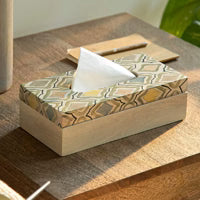
Wood Serveware

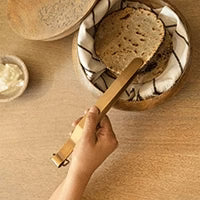
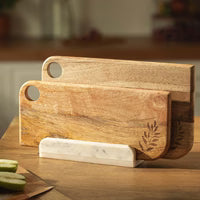
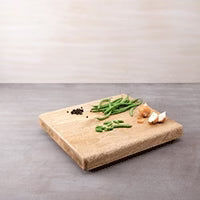
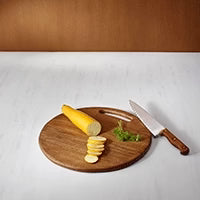
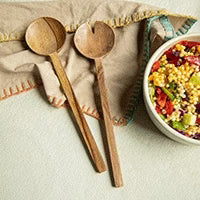
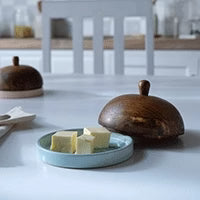
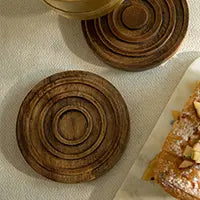
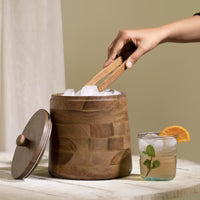
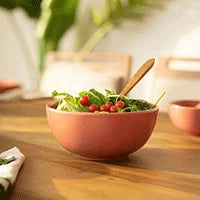
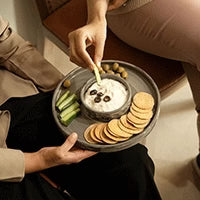
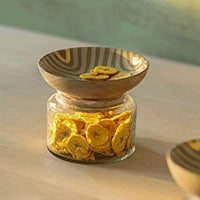
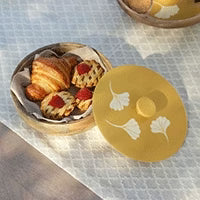
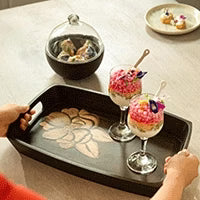
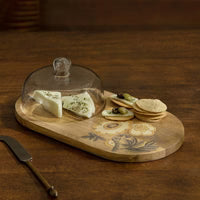
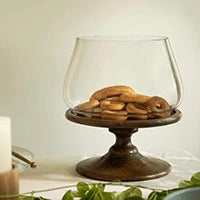
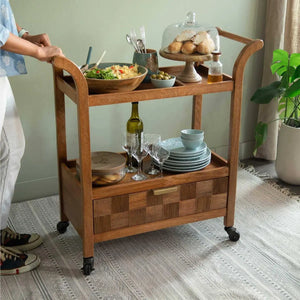
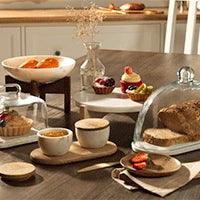
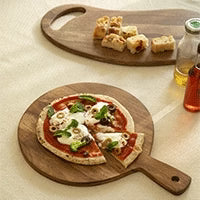
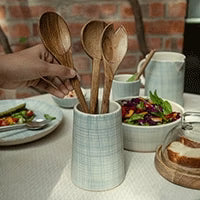
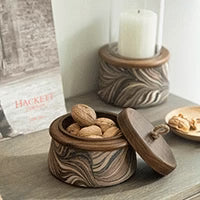
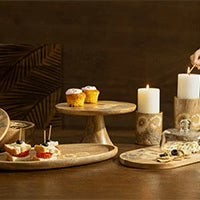
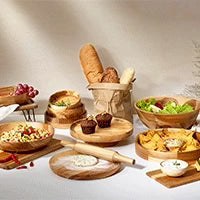
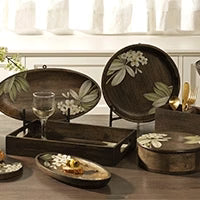
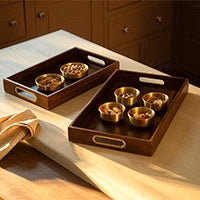
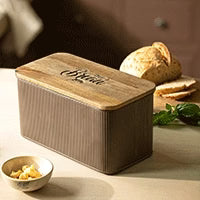
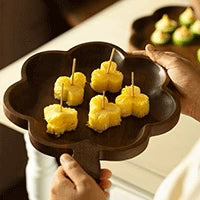
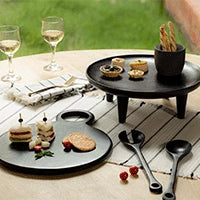
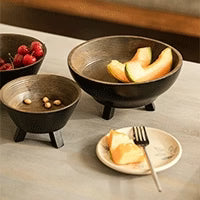
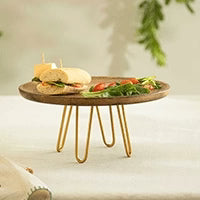
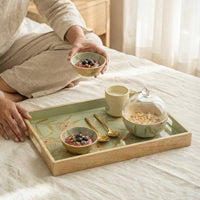
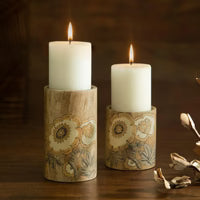
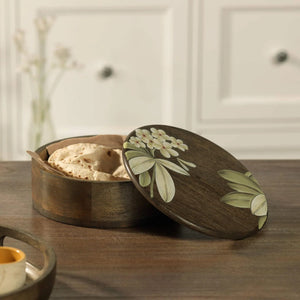
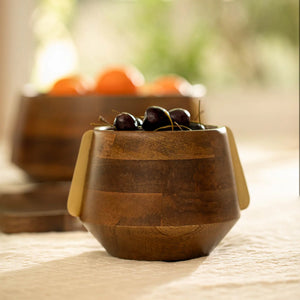
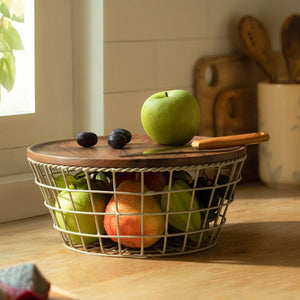
Wood is an element that adds warmth to the table like no other material. The grain and tone of wood have an effortless quality that is often associated with leisurely meals and platters of food.
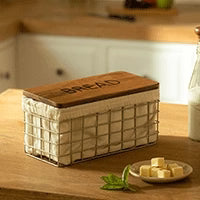
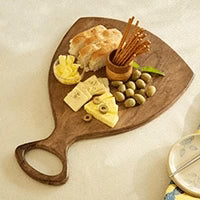
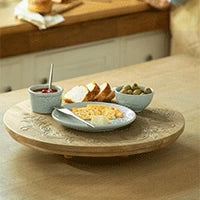
Wood serveware is an excellent choice since it is good at retaining the temperature of the food and not letting it cool down too quickly. It is also lightweight and easy to pass around during serving. Making it ideal for bread, crackers, salads, and appetizers. It needs to be maintained well and protected from moisture.
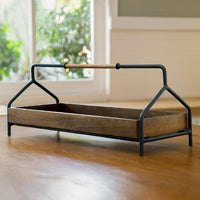
Metal Serveware

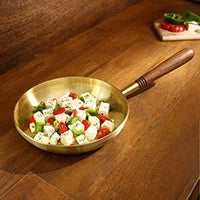
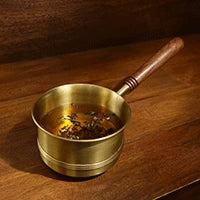
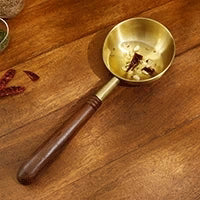
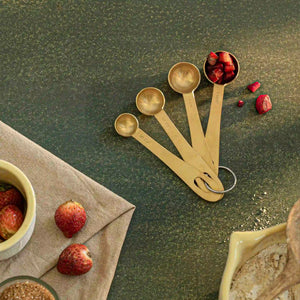
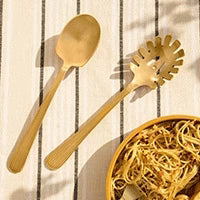
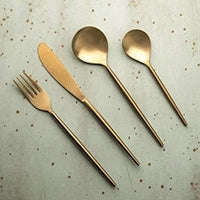
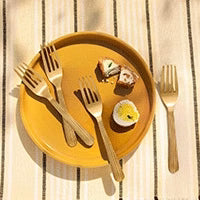
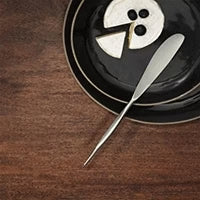
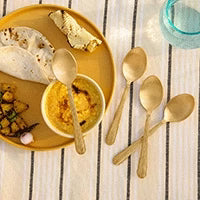
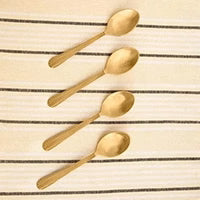
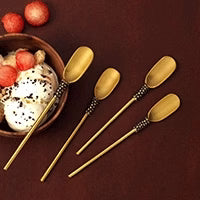
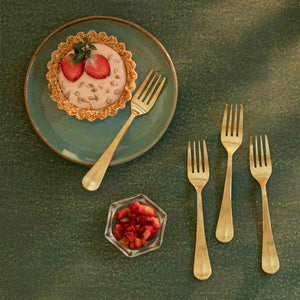
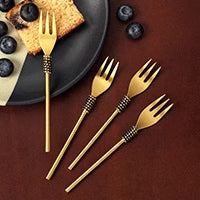
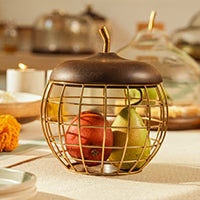
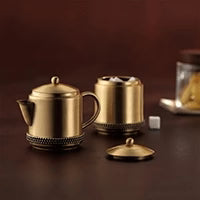
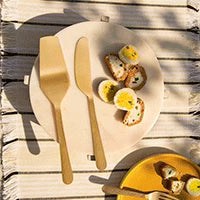
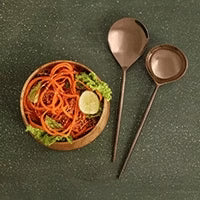
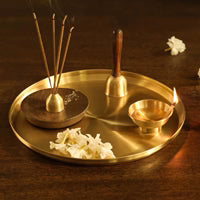
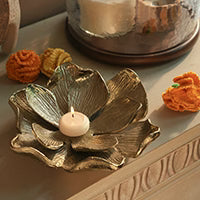
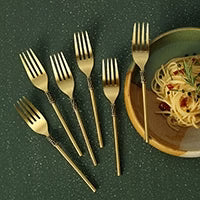
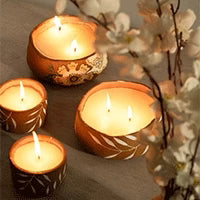
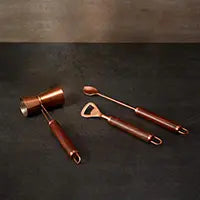
Metal is an element that evokes heritage and strength. Brass and other metals have long been used to make serveware that is not just durable but also chic and modern. The shine and luster of metals are unmatched and make any food spread look festive and inviting.
Metal serveware is perfect since they are good at retaining the temperature and are extremely durable. They do not chip or crack and are easy to maintain. However, they are not good with acidic food and should not be used if they are coated or treated.
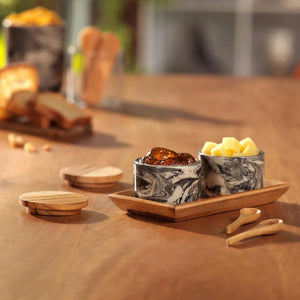
Ceramic Serveware

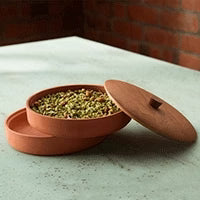
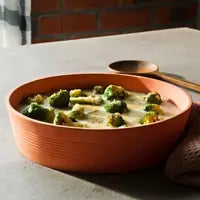
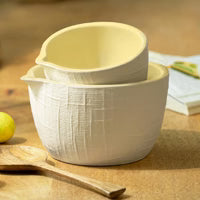
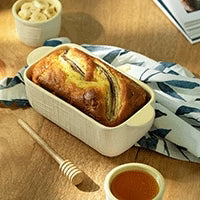
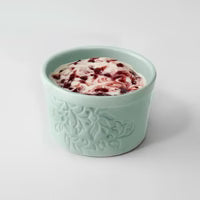
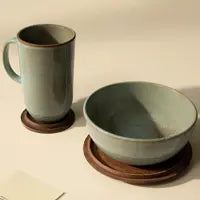
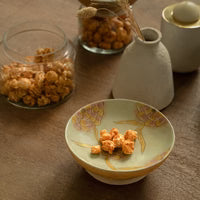
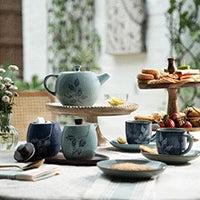
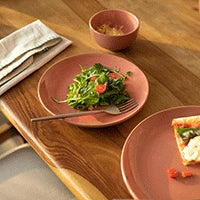
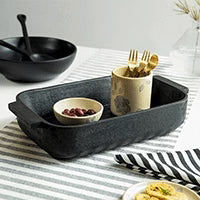
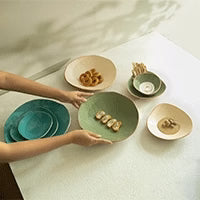
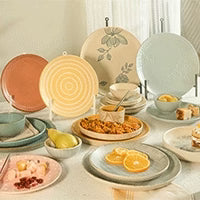
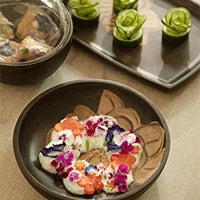
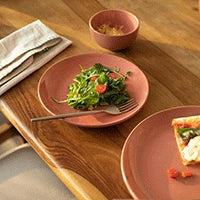
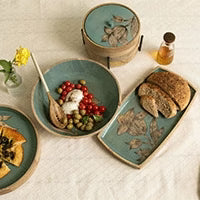
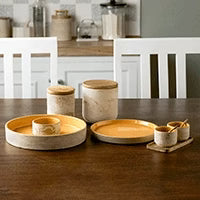
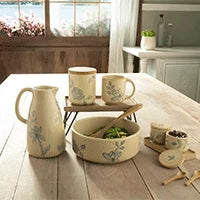
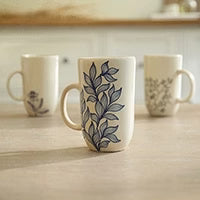
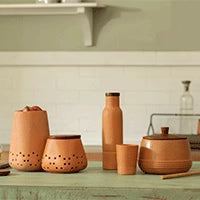
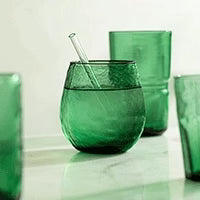
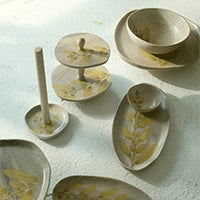
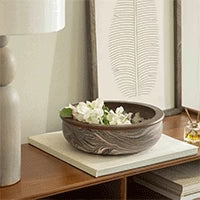
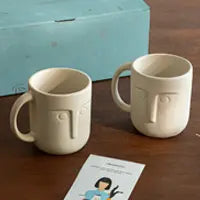
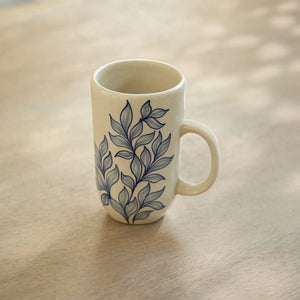
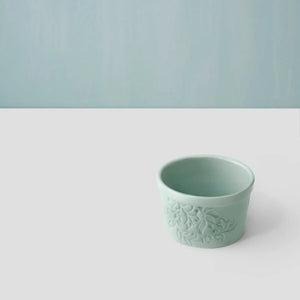
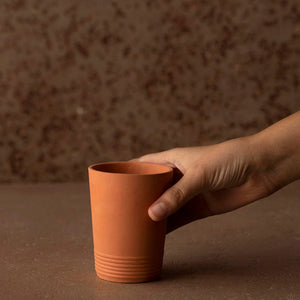
Ceramic is an element that is both artistic and sophisticated. The earthy tones and textures of ceramics are perfect for serveware and make them ideal for any occasion. They are versatile and chic and work well with any theme.
Ceramic serveware is perfect since they are non-reactive and good with both cold and hot food. They are also great at enhancing the look and feel of the food and are extremely heavy and sturdy. They are also available with a warning label and are prone to shattering if not handled well.
Which Serveware Material Is Best for Hot, Cold & Oily Foods?
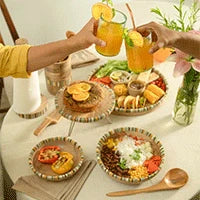
Each dish has its own unique personality. Each may be served hot or cold, oily or spiced. The plate they are served on must not only accommodate them but also respect them. The right choice of the best material for serveware will ensure that the taste is not compromised, the temperature is just right, and the presentation is deliberate.
• For hot curries and gravies: The glazed ceramic and the food-grade metal are effective in retaining the heat without compromising the taste.
• For cold desserts and salads: Ceramic is effective in retaining the cold without compromising the texture.
• For oily or spiced dishes: Glazed ceramic is effective in not reacting with the flavors and not absorbing them either.
• For dry breads and appetizers: Wooden platters are the best option for these, as they will not compromise the texture either.
Compatibility is the key for the harmonious coexistence of food and tableware. When the two are compatible, the table is complete, and the experience is whole.
Sustainable Serveware Materials – What Eco-Conscious Buyers Prefer?
While the term sustainable has evolved from being a "preference" to a "principle," the table today is not just for aesthetic appeal; it is for values, responsibility, and for a deeper understanding of the origin of the product.
While sustainable serveware is not just a "preference," it is a principle of "eco-friendly design" that not only considers the aesthetic appeal of the product, but also the origin of the product and the ability of the product to be "sustained." Selecting the right serveware materials from the variety of materials available for the most sustainable option is difficult; the points given below will help you with that.
• Responsibly Sourced Wood: Sustainably sourced wood is used, promoting renewable resources and celebrating the beauty of natural textures and human craftsmanship.
• Clay-Based Ceramic: Made from natural earth and then fired to make them long-lasting, this provides durability without the use of man-made products.
• Recyclable Metals: The use of recyclable materials such as stainless steel provides long-lasting benefits.
• Handcrafted Production: Small-scale, human-crafted production provides a more mindful approach to consumption and production.
Sustainable serveware is not about trends; it is about purpose. When materials are sustainable and craftsmanship is mindful and respectful of heritage and tradition, the table is an expression of care and love for home, heritage, and the world beyond.
Durability Comparison – Which Serveware Lasts the Longest?
Durability is what provides serveware with true value. You may wonder which serveware material is safest? Beyond the novelty and beauty of serveware is the reality of safety and longevity and how well serveware holds up to the test of time, meals, and use. The key to long-lasting serveware is understanding these nuances. This tiny guide below will give you a better understanding of different types of serveware materials based on their durability.
• Metal Serveware: Metal serveware is known for its unparalleled durability and is not easily chipped, broken, or damaged even with heavy use.
• High-Fired Ceramic: While this serveware is long-lasting enough to use every day, it is not long-lasting enough to withstand impact or extreme temperature changes.
• Hardwood Serveware: Very long-lasting and reliable, as long as they are not exposed to too much moisture and are handled with care.
• Thin or Untreated: Irrespective of the material used, poor craftsmanship will result in serveware that is not long-lasting.
Serveware that lasts the longest is the one that has been handled with care. It is evident that when quality material is matched with quality handling, the material will develop and mature over the years, as opposed to deteriorating.
Traditional vs. Modern Serveware Material in the Indian Kitchen
The Indian kitchen has many stories to share through the material that has been used. It can be the traditional material that has been used over the years in the traditional kitchen or the contemporary look that has been introduced in the urban kitchen. It is a reflection of the changing lifestyle and the traditional values that have been carried forward. It is the evolution from traditional material that has been used for functionality to the material that has been used for design. It is the evolution of the traditional Indian table. It is a culture that has been traditional but at the same time has been accepting of change.
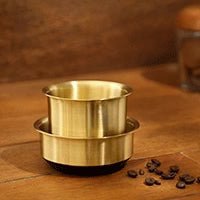
• Traditional metalware: Brass, copper, and stainless steel have been the traditional choices because of the material properties and the religious association that has been attached to the material.
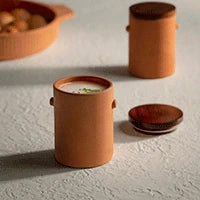
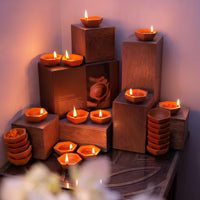
• Clayware and earthenware: They have been the traditional material that has been used in the kitchen for functionality and design.
• Modern glazed ceramics: They have been the material that has been in vogue in the contemporary kitchen because of the material properties and the ability of the material to go with other types of cuisine.
• Contemporary wooden material: It has been the material that has been introduced in the contemporary table setting to give it a global look.
The items may change, but the spirit remains the same. That is serving food for a purpose, using food for a purpose, and arranging the table for a purpose that embodies tradition and modernity.
How to Choose Serveware Based on Food Type & Usage Frequency?
A well-arranged table is not an accident; rather, it is the culmination of foresight and an awareness of the food that is being served and the frequency at which the food will be served at the table. Some items are for daily use, and some are for specific occasions. Serveware that is chosen keeping these two factors in mind will ensure that the food is served in harmony.
• For daily use: Ceramics or stainless steel is strong enough for daily use and can be easily cleaned.
• For hot cooking that needs to be frequently served: Metalware or ceramicware is good at retaining heat.
• For specific occasions: Ceramics or wooden cutting boards will enhance the occasion without being subjected to daily use.
• For dry snacks and breads that are frequently served: Woodenware is light, airy, and looks good.
When the food type, the material, and the frequency of use are well-suited for each other, the serveware acts like a silent partner for the occasion.
FAQs
Which material is best for serveware for daily use?
For daily consumption, ceramic and stainless steel are the best options. These two materials are less prone to damage, easy to clean, and can easily handle different dishes for longer periods of time.
Is wooden serveware safe for hot food?
Wood is a good insulator and can retain warm food for a short period of time. However, it is not the best choice for hot and wet dishes. It works best with dry foods, stored at room temperature.
Does metal serveware change food taste?
Food-grade coated metal does not affect the taste of food. However, bare or uncoated metal may react to acidic foods, which may have a slight effect on the taste.
Which serveware material is most durable?
Metal is the most durable serveware. It is less prone to chipping, cracking, and breaking, which makes it reliable.
What is the safest serveware material for health?
Glazed ceramic with a non-reactive coating is one of the safest choices because it retains the natural flavors of the food and does not react to hot, cold, or oily foods if made with food-grade standards.

 easy returns
 safe & secure
 hand crafted